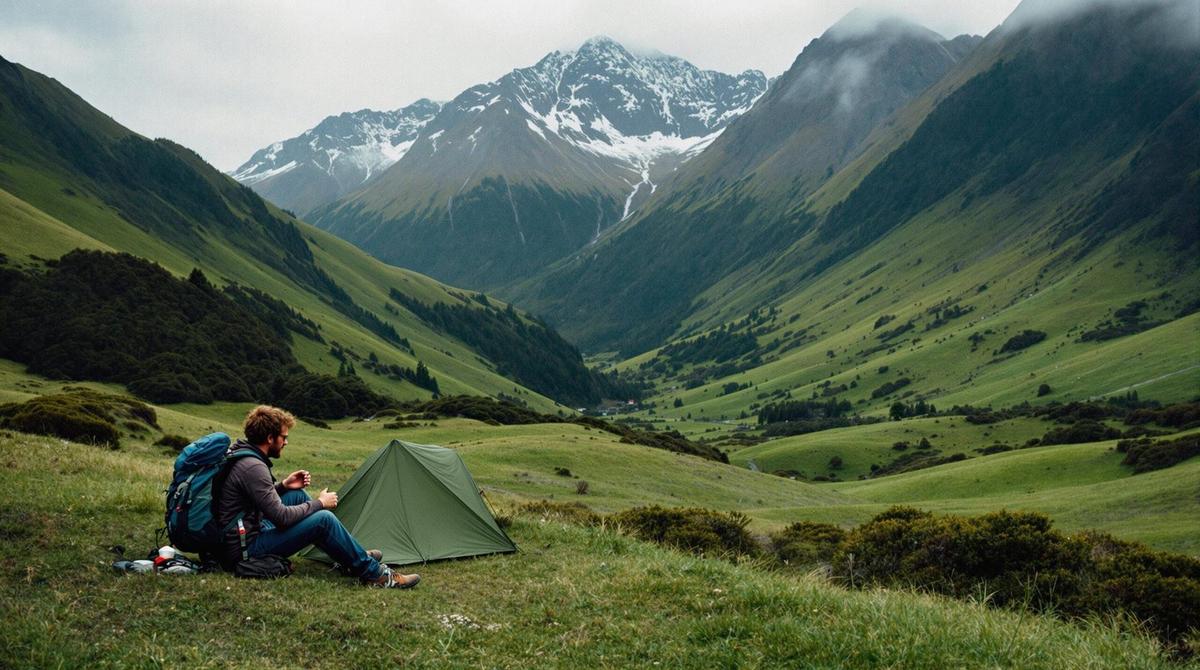
Dreaming of epic landscapes, thrilling adventures, and the friendly Kiwi spirit, but worried about your wallet? You’ve come to the right place. New Zealand has a reputation as an expensive destination, and it is an expensive country — but that doesn’t mean it has to break the bank. Plenty of people travel New Zealand on the cheap every year. With smart planning you can experience the magic of Aotearoa without financial stress, and the cost of doing New Zealand on a budget drops sharply once you know where the money goes. This travel guide is your key to mastering budget travel in New Zealand: what a trip to New Zealand costs, how to keep a budget in New Zealand without missing the good parts, and a flexible itinerary to help you explore more for less.
Whether you’re backpacking New Zealand on a working holiday, a student exploring the world, or a traveler wanting an unforgettable trip that’s also affordable, these New Zealand travel notes are for you. We’ll dive into the best times to visit, cheap accommodation and transport, delicious food that won’t cost a fortune, and a treasure trove of free activities. Get ready to plan the adventure of a lifetime!
🎯 Plan Your Trip: The Shoulder Season Is When New Zealand Costs Least
Timing is everything when it comes to saving money. Whatever your travel style, visiting outside the peak summer season (December–February) is the easiest way to cut the cost of traveling here. New Zealand is stunning year-round, so you lose very little by moving your dates.
- Peak Season (Summer: December – February): Warm weather, long days, and vibrant energy. However, this is also when flights, accommodation, and rental vehicles are at their most expensive. Popular spots are crowded, so booking well in advance is essential.
- Shoulder Seasons (Autumn: March – May & Spring: September – November): 🌟 Sweet Spot for Budget Travelers! The weather is still pleasant, the landscapes are breathtaking (think golden autumn leaves or spring blossoms), and the crowds have thinned out. You’ll find much better deals on flights and accommodation.
- Off-Season (Winter: June – August): The cheapest time to travel, unless you’re heading to ski towns like Queenstown or Wanaka. Expect crisp, cool days and fewer tourists. It’s a fantastic time for hiking on clear winter days and enjoying cozy evenings.
Key takeaway: For the best balance of good weather and lower prices, aim for the shoulder seasons.
💰 A Detailed Budget Breakdown: What a Trip to New Zealand Costs
What it costs to travel here varies widely with your travel style, but here’s a breakdown of what to budget per day, excluding major one-off expenses like international flights or adventure activities.
| Travel Style | Daily Budget (USD) | Daily Budget (NZD) | What it Covers |
| Bare-Bones Backpacker | $40 – $60 | $65 – $100 | Hostel dorms, self-catering, free activities, and public transport or hitchhiking. |
| Mid-Range Budget | $100 – $150 | $165 – $245 | Private rooms in hostels or budget motels, a mix of self-catering and cheap eats, rental car, and some paid attractions. |
| Comfort Seeker | $200+ | $330+ | Motels or hotels, dining out, rental car, and multiple paid tours and activities. |
Note: New Zealand’s International Visitor Conservation and Tourism Levy (IVL) is NZ$100 for most visitors, and an NZeTA is required on top of it — both an additional cost you should build in before you get to New Zealand. Always check the official Immigration New Zealand website for the latest visa and levy requirements, as these vary by nationality.
✈️ Flights to New Zealand and What to Book Before You Go
The flight is usually the single largest line in the whole trip, and travel to New Zealand from the northern hemisphere is never cheap, and it is the one where booking early pays best. Fares from North America swing hard with the season: the same route can differ by hundreds of dollars between January and May, which is another argument for travelling in the off-peak season. Set a fare alert months out, be flexible by a few days, and check whether routing through Australia beats a direct fare — a stopover in Sydney or Melbourne sometimes costs less and lets you split Australia and New Zealand into one trip.
Three things worth sorting before you fly, each of them an additional cost people forget when they plan a trip to New Zealand:
- NZeTA and the IVL: required for most visitors, applied for online, and cheaper through the official app than the website.
- Travel insurance: not optional in a country where the popular activities involve helicopters, glaciers and mountain weather. Medical evacuation from the backcountry is expensive; the policy is not.
- Booking the big-ticket items: the Interislander ferry, camper hire in summer, and any tours in New Zealand you are set on. These sell out and rise in price as the date closes, and last-minute booking is where most people accidentally blow your budget.
🏠 Budget Accommodation in New Zealand: Hostels, Camping and Holiday Parks
Your biggest daily expense will likely be accommodation in New Zealand. Luckily there is a fantastic range of budget options, and hostels in New Zealand are consistently good.
✅ Hostels (Backpackers): The quintessential choice for budget travelers. A dorm bed typically costs $20-$30 USD ($33-$50 NZD) per night, and a private room in the same hostel is still cheaper than a motel. Hostels offer communal kitchens (a huge money-saver), social areas to meet other travelers, and often have tour booking desks. Major chains include YHA and Base, but independent hostels are full of local character.
✅ Camping & Holiday Parks: Embrace the great outdoors! New Zealand is a camper’s paradise.
- Department of Conservation (DOC) Campsites: These are the most affordable, ranging from free basic sites to serviced sites for around $15 USD ($25 NZD) per person. They offer unparalleled access to nature. Check the DOC website for locations and passes.
- Holiday Parks: A step up from DOC sites, offering powered sites, tent sites and basic cabins. Expect to pay $15-$35 USD ($25-$55 NZD) per person. They have better facilities like hot showers, full kitchens, and laundries.
✅ House Sitting & WWOOFing: For longer stays, consider these options. House-sitting websites connect you with homeowners needing someone to look after their property (and often pets) in exchange for a free bed. WWOOFing (Willing Workers on Organic Farms) allows you to work a few hours a day on a farm in return for room and board. Both require a valid work visa if you are not a New Zealand or Australian citizen.
🚐 How to Get Around New Zealand: Bus, Car and Campervan
New Zealand’s landscapes are best explored with some freedom, and how you get around New Zealand shapes the entire trip. Renting a camper is the iconic way to travel, but it is not the only one.
📊 Transport Cost & Flexibility Comparison
| Option | Avg. Daily Cost (USD) | Best For | Key Points |
| National Bus | $20 – $40 | Solo travelers, city-to-city | InterCity is the main provider. Book in advance for cheap “GoFares.” Less flexible for spontaneous stops. |
| Car Rental | $30 – $70 + fuel | Small groups, flexibility | Allows you to explore off-the-beaten-path. Fuel is a major cost. Smaller, fuel-efficient cars save money. |
| Campervan Rental | $40 – $150+ + fuel | Total freedom, combining transport & accommodation | Look for “self-contained” vehicles to access more freedom camping spots. High season prices can be steep. |
| Car Relocation | $0 – $1 + fuel | Ultra-budget, flexible travelers | Drive a rental car company’s vehicle from one city to another for free (or $1/day). You get a set number of days and sometimes a fuel allowance. Limited routes and time. |
| Hitchhiking | $0 | The adventurous, ultimate budgeters | Common and relatively safe in New Zealand, but always use your judgment. Best for rural areas. |
💡 Key Transport Tips
- Fuel costs: Fuel in New Zealand is expensive. Use the Gaspy app to find the cheapest petrol stations near you.
- Ferry Crossing: The ferry between the North and South Islands (Wellington to Picton) is a significant cost, especially with a vehicle. Book the Interislander or Bluebridge ferry well in advance for the best prices.
- Buy a car: If you’re staying for several months (e.g., on a working holiday), buying a car in New Zealand second-hand can be more economical than a long-term rental.
🥗 Eating Well on a Tight Budget
Eating out for every meal will drain your funds faster than anything. The key to saving money on food is self-catering.
🛒 Supermarket Savvy
- PAK’nSAVE: Generally the cheapest supermarket. You pack your own bags.
- Woolworths (formerly Countdown) & New World: Mid-range options, often with good weekly specials.
- Farmers’ Markets: A great place to buy fresh, seasonal produce directly from growers and enjoy the local atmosphere.
- Pro Tip: Look for store brands (like “Pams” at New World/PAK’nSAVE or the Woolworths brand) for significant savings.
🍳 Cooking in Hostels & Campervans
- Embrace Pasta and Rice: These are cheap, filling bases for any meal.
- Cook Communally: Share a meal with fellow travelers in your hostel to split costs and socialize.
- Pack a Lunch: Before a big day of hiking or exploring, make sandwiches and pack snacks to avoid expensive cafe prices in tourist spots.
🥡 Cheap Eats When You Do Dine Out
- Bakeries: A classic Kiwi lunch is a savory pie or a filled roll from a local bakery.
- Asian Restaurants: Dumpling houses, sushi joints, and noodle bars often offer delicious and affordable meals.
- Fish and Chips: An iconic Kiwi takeaway meal to be enjoyed on the beach.
🏞️ Free Hikes and Cheap Activities in New Zealand
The biggest drawcard is natural beauty, and most of the best activities in New Zealand cost nothing. Free hikes are how you visit New Zealand without spending much at all.
🌟 Top Free Activities: North Island
- Hiking: Conquer the incredible Tongariro Alpine Crossing (shuttle costs apply) or explore the countless trails in the Coromandel or Waitakere Ranges.
- Beaches: Dig your own natural spa at Hot Water Beach (Coromandel), surf the black sand at Piha (Auckland), or relax in the Bay of Islands.
- Waterfalls: Witness the power of Huka Falls near Taupō or the stunning Whangārei Falls.
- Museums: Te Papa Tongarewa, New Zealand’s national museum in Wellington, offers free general admission and is an absolute must-see.
- Glowworms: Skip the expensive cave tours and find them for free on trails in the Waitomo area or near Franz Josef after dark.
🌟 Top Free Activities: South Island
- Fiordland National Park: While a cruise in Milford Sound is a worthy splurge, the drive there is an adventure in itself, with countless free lookout points and short walks.
- Aoraki / Mount Cook National Park: Hike the Hooker Valley Track for postcard-perfect views of New Zealand’s highest peak.
- The Glaciers: Walk to the terminal face viewing points of Franz Josef and Fox Glaciers for free.
- The Catlins: Explore this rugged, southern coastal area known for its wildlife, waterfalls (Purakaunui Falls), and dramatic scenery.
- Castle Hill (Kura Tawhiti): Wander through an incredible landscape of limestone boulders, a sacred place for Ngāi Tahu and a popular spot for climbers.
Activity Booking Tip: For paid tours and activities, check out websites like BookMe or GrabOne. They offer last-minute deals that can save you up to 50% or more.
🗺️ Sample Itinerary: A Four-Week Trip Around the Country
This isn’t a strict plan but a flexible framework for a road trip around either island. It assumes a mix of bus travel and car hire. A four-week trip is generous; a two week trip covers one island comfortably.
Week 1: Arrival & The Winterless North
- Focus: Auckland, Bay of Islands, Coromandel
- Highlights: Explore Auckland’s parks (Mt Eden for a free city view), take a ferry to Waiheke Island (pack a picnic!), head north to the beautiful beaches of the Bay of Islands, and dig your own spa at Hot Water Beach.
- Budget Tips: Utilize Auckland’s public transport. Stay in hostels and cook your meals.
Week 2: Geothermal Wonders & Central North Island
- Focus: Rotorua, Taupō, Tongariro National Park
- Highlights: See bubbling mud pools and geysers in Rotorua (Kuirau Park is a free geothermal park), visit the mighty Huka Falls, and prepare for the Tongariro Alpine Crossing (if weather permits).
- Budget Tips: Many of the best geothermal sights can be seen for free from public areas. A shuttle is the most economical way to do the one-way Tongariro hike.
Week 3: Capital Culture & The Top of the South
- Focus: Wellington, Abel Tasman National Park, Nelson
- Highlights: Soak up the culture at Te Papa Museum in Wellington, take the ferry to Picton, and head to the golden sands of Abel Tasman. Hike a section of the coastal track or rent a kayak.
- Budget Tips: Book the ferry far in advance. Use water taxis strategically to see the best parts of Abel Tasman on a day trip.
Week 4: Glaciers, Mountains & Adventure Capital
- Focus: West Coast, Wanaka, Queenstown, Fiordland
- Highlights: Drive the stunning West Coast road, see the Pancake Rocks at Punakaiki, walk to the glaciers, hike Roys Peak or Mount Iron in Wanaka for incredible views, and get your adrenaline fix (or just enjoy the scenery) in Queenstown. A day trip to Milford Sound is a must.
- Budget Tips: Queenstown is expensive. Stay in nearby Frankton or Arrowtown for cheaper beds. The iconic Fergburger is popular, but a pie from a local bakery is just as satisfying and a fraction of the price. Enjoy the endless free hikes around the region.
💸 Where Budgets Actually Break: Expensive Activities and Fuel
New Zealand isn’t a cheap country, and travellers rarely overspend on hostels or groceries — they overspend in two places.
Adventure activities. A bungy jump, a glacier heli-hike and a Milford Sound cruise in the same week will cost more than a fortnight of accommodation. The fix is not to skip them but to choose: pick one or two expensive activities for the whole trip, book the rest of your days around free hikes, and accept that Queenstown is where the damage happens. Last-minute deal sites often discount the same tours heavily if you can stay flexible.
Fuel. Petrol in New Zealand is expensive by North American standards, and the distances are longer than the map suggests — the country is roughly the length of California, with far slower roads. Two hundred kilometres of winding highway takes three hours, not two — and food and fuel are both more expensive in New Zealand than most visitors expect. A smaller car costs less to hire and much less to run; the Gaspy app finds the cheapest pump nearby; and planning a loop rather than a zig-zag is the single great way to save on a road trip around either island.
If your time in New Zealand is shorter, resist the urge to see everything. A 2 week New Zealand itinerary works best confined to one island, and even a 3 week New Zealand trip is comfortable only if you pick a lane. Cramming both islands into a fortnight means paying for fuel and ferries to spend your holiday driving.
Your Next Steps
Travelling in New Zealand on a tight budget is not only possible, it’s an incredible way to connect more deeply with the country and its people. A realistic New Zealand budget means self-catering and free walks, not a worse trip. By being smart with beds, transport and food you free up funds for the experiences that matter. The best travel hacks here are dull ones: cook, walk, and book early — that is how you save money in New Zealand.
Work out your total trip costs first, then start exploring flight deals and researching your transport options. These travel tips work whether you have two weeks or several months in New Zealand. For more in-depth planning on specific regions, check out our other NZ Navigator guides.
Happy travels!
Disclaimer:
This article has been generated using AI and aims to provide the most current and accurate information possible. However, information may become outdated or change over time. For variable information such as fees and operating hours, please always verify the latest information through official websites. This article is intended for general information purposes and is not individualized advice. Content may be updated in the future based on personal experiences and additional information.