Whether you're planning a trip, a study-abroad stint, or a full move to New Zealand, the first question on everyone's mind is usually the same: how expensive is it, really? The short answer for 2026: prices are high by most visitors' standards, but the worst of the surge has passed.
According to Stats NZ (the country's official statistics agency), food inflation slowed to an annual rate of 2.5% in June 2026 — the lowest since February 2025 (as of August 2026). After years of prices seeming to climb on every supermarket visit, things have finally steadied. That said, the overall price level hasn't come back down, so if you're arriving from most other countries, plenty of items will still feel expensive.
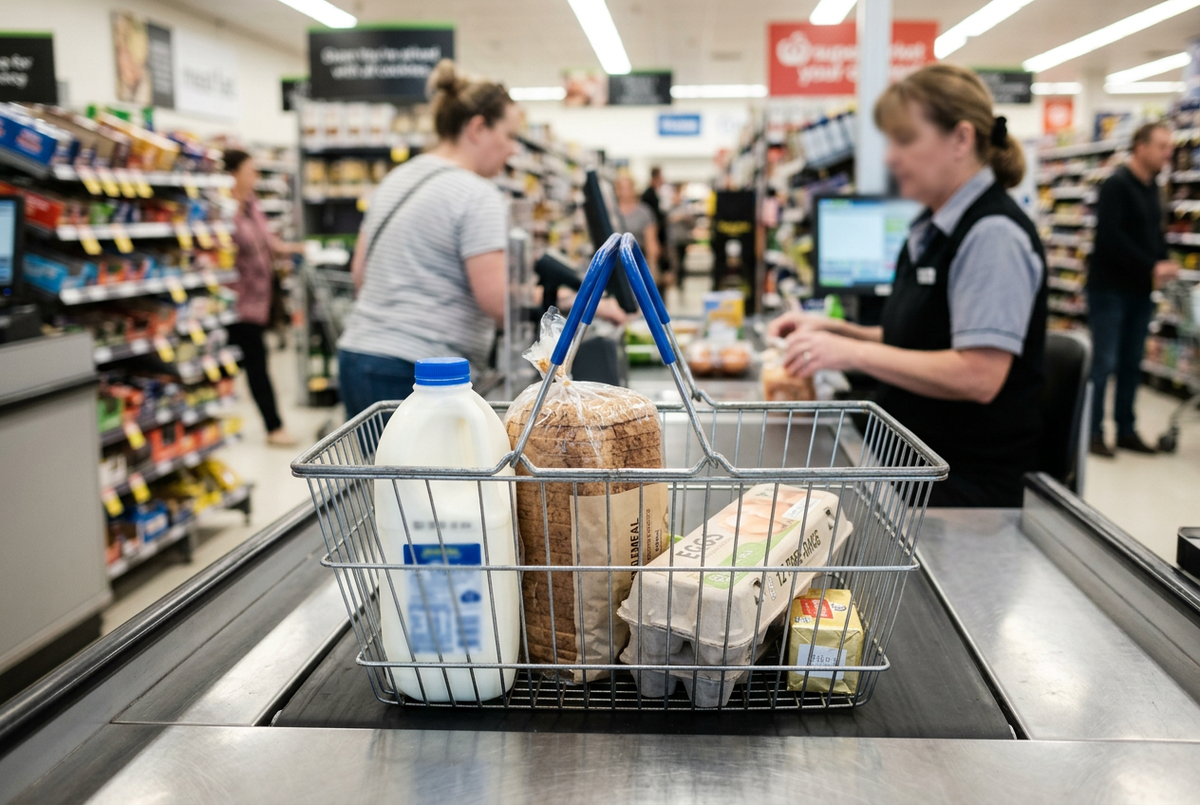
Supermarket prices: what do milk, butter, and bread cost?
Groceries are the single biggest factor in New Zealand's cost of living. Here's where key staples stand (as of August 2026).
| Item | Price / situation |
|---|---|
| Milk, 2L | Around NZ$4.92 at the cheapest — up 15.8% year on year, with dairy leading the price rises |
| Butter | About NZ$5 more than a decade ago (+120%) |
| Sliced bread | After steep increases, prices have recently started to settle |
While overall food inflation has cooled, some items — like milk, up 15.8% year on year — are still climbing fast, so how expensive things feel depends heavily on what's in your basket. Prices for eggs, vegetables, and other staples also vary widely by store and season, so getting into the habit of checking supermarket specials pays off quickly once you're here.
Budget NZ$20–40 a day for food
If you mostly cook for yourself, a common benchmark is NZ$20–40 per person per day for food (as of August 2026). At roughly 93 yen per NZ dollar (August 2026), that's about 1,900–3,700 Japanese yen. Diligent home cooking keeps you near the lower end — but eat out often and you'll blow past the upper end in no time.
Treat eating out as an occasional treat
New Zealand's café culture is genuinely wonderful, but high labour costs mean dining out tends to cost noticeably more than equivalent spots in many other countries. A coffee and a bite at a café, or dinner at a restaurant, will generally run a step above what you might expect at home. Budgeting around daily restaurant meals gets painful fast — which is why the standard playbook among international students and working-holiday makers is "cook at home, eat out on weekends." Prices vary a lot between venues, so check the menu online before committing to a place you're curious about.
Rent: flat-sharing is the norm
On the housing side, rents rose 2.6% in the year to June 2025 — like food, a much calmer pace than during the price surge.
One thing worth understanding is New Zealand's housing culture. Renting a place solo is the exception here: "flatting" — sharing a house or apartment with several people, each with a private bedroom plus shared living areas and kitchen — is the standard. International students, working-holiday makers, and young Kiwis alike keep housing costs down this way. Also note that rent is quoted as weekly rent in New Zealand, so when browsing listings, always check what the per-week figure is. For how payments actually work, see our guide to paying rent in New Zealand.
How does it compare?
At roughly 93 yen per NZ dollar (as of August 2026), that cheapest 2L of milk at about $4.92 works out to around 460 yen — steep by Japanese supermarket standards, and pricey compared with many countries. But this cuts both ways: New Zealand wages are also higher than in many places. If you're earning a local salary, the sting fades considerably. If you're budgeting in a foreign currency as a visitor or student, a useful rule of thumb is that groceries feel roughly 1.5–2 times more expensive than in Japan.
Saving money: PaknSave and home cooking are your two pillars
- Shop at budget supermarkets: New Zealand's supermarkets sit at different price tiers, and the warehouse-style discounter PaknSave is the go-to for budget-conscious shoppers. The same product can cost different amounts at different chains, so do your big shops at the cheap store.
- Make home cooking the default: The NZ$20–40 daily food benchmark assumes you're cooking. An eating-out-heavy routine can easily double your budget.
- Work around the fast risers: For items still climbing — like dairy — stock up during specials or switch to substitutes to soften the impact.
- Flat-share your housing: It's dramatically cheaper than renting solo, and flatmates are a great source of local know-how too.
Planning a trip on a budget? Our budget travel guide to New Zealand has you covered.
New Zealand is one of the world's great dairy nations — so why is dairy so expensive here? Because domestic prices track international market rates: whatever exports well sells high at home too. "We're the land of butter and we can't afford butter" is a running complaint you'll hear from locals.
To sum up: in 2026, New Zealand has moved past the worst of its inflation storm, but the price level remains high. Know which items are the big movers — milk, butter — and combine PaknSave, home cooking, and flat-sharing, and the cost of living becomes very manageable. Don't let the headline numbers scare you; plan smart and go.
Note: Prices in this article are current as of August 2026. Rates and policies can change — please check official sources for the latest information.