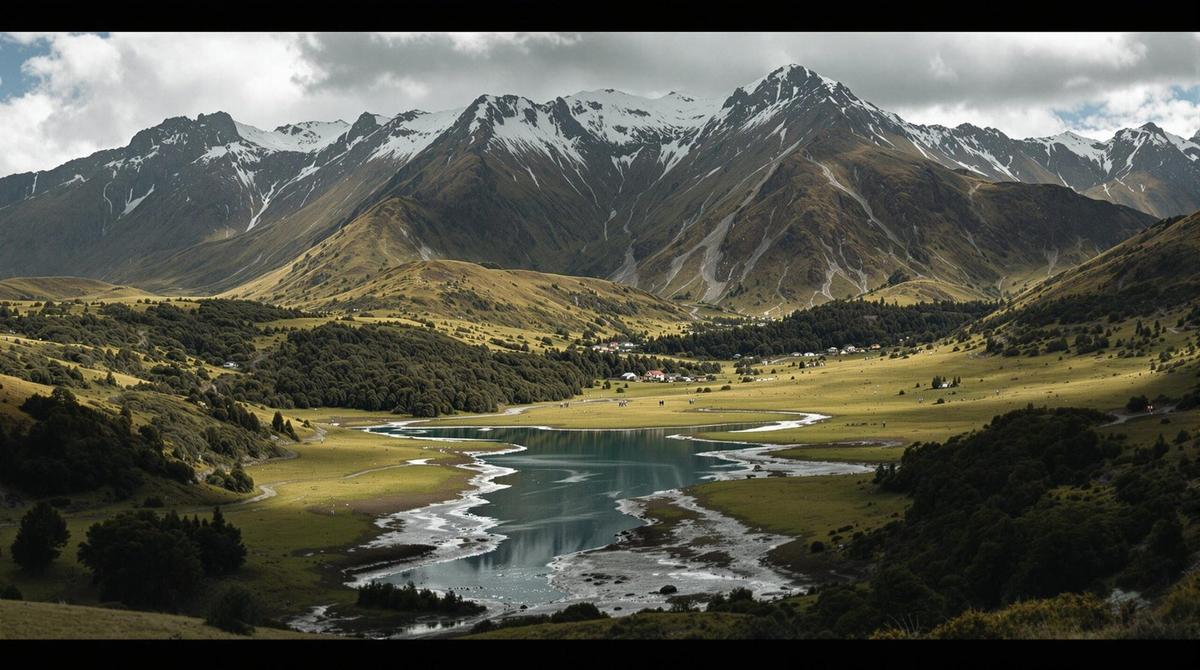
New Zealand, a beautiful island nation in the South Pacific, is famous not only for its spectacular landscapes but also for its unique and fascinating culture and sports.
This article focuses on the sports and cultural experiences that were actually invented in New Zealand, and rounds up 10 must-know highlights to make your time in NZ even richer. Going beyond the standard sightseeing circuit and diving into local culture and activities is how you create memories that stay with you for life.
By the end of this guide, you'll know exactly which only-in-New-Zealand experiences to look for and have concrete ideas for planning your trip.
20 Fun Facts About New Zealand
Start here. These are the surprising facts about New Zealand that come up in every quiz — the 10 interesting facts everyone repeats, plus ten more worth knowing about New Zealand.
- The name means 'land of the long white cloud'. Aotearoa is the Maori word for the country, and the long white cloud is what you see stacked over the mountains from the sea.
- It was the last large landmass in the world to be inhabited. Maori people arrived from Polynesia around 800 years ago — the last significant land on earth to be inhabited by humans.
- It became the first country in the world to give women the right to vote, in 1893.
- The longest place name in the world is here. Taumatawhakatangihangakoauauotamateaturipukakapikimaungahoronukupokaiwhenuakitanatahu, in Hawkes Bay — 85 letters, roughly “the place where Tamatea, the man with the big knees, played his flute to his loved one”.
- The world's steepest residential street is Baldwin Street in Dunedin.
- New Zealand is home to the world's smallest marine dolphin, Hector's dolphin, found nowhere else — about 1.4 m long.
- The kiwi is one of several flightless birds here, nocturnal, with nostrils at the tip of its beak. The female lays an egg up to a fifth of her body weight.
- "Kiwi" means three different things — the bird, the fruit, and a New Zealander. Only the last two are ever eaten or hugged.
- Auckland is built on a volcanic field of about 50 volcanoes. Rangitoto, the youngest, erupted roughly 600 years ago while people were watching.
- Mount Cook (Aoraki) is the highest mountain, in the middle of the south island at 3,724 m, and it lost about 10 m off the top in a 1991 rock avalanche.
- There are no native land snakes, and no dangerous land predators at all.
- There are about five sheep for every human — down from about twenty to one in the 1980s.
- Wellington is the southernmost capital city in the world, and among the windiest.
- Commercial bungy jumping was invented here, at the Kawarau Bridge in 1988.
- The filming of The Lord of the Rings took place across the north and south islands, and the Hobbiton set is still standing, which is why the tourism board once renamed the country Middle-earth on its own maps.
- Rugby is the closest thing to a national religion, and the All Blacks' haka before each match is a genuine Māori challenge, not a show.
- The country sits on the Pacific Ring of Fire in Oceania, and volcanic activity gives it thousands of earthquakes a year — most too small to feel.
- Te reo Māori is an official language, alongside New Zealand Sign Language.
- Nowhere is more than about 130 km from the sea.
- There are two main islands plus some 600 islands around the coast of New Zealand. The South Island is the bigger of the two, but three-quarters of the people of New Zealand live on the north island, most of them in Auckland.
Plenty of these make good facts about New Zealand for kids — the flightless kiwi bird, the volcano under the biggest city, and a place name nobody can say.
A One-of-a-Kind Appeal: Getting to the Heart of New Zealand Culture
If you're visiting New Zealand, you simply can't skip its distinctive culture. The traditions of the indigenous Māori people, the heritage of European settlers, and the growing communities of Asian immigrants all weave together into a cultural fabric that is one of the country's greatest draws.
Māori Culture: Understanding the Soul of the Nation
No discussion of New Zealand culture is complete without the Māori, the country's indigenous people. Their language, art, customs, and values remain deeply woven into modern New Zealand society.
- Marae: The meeting grounds at the heart of a Māori community, where traditional ceremonies and gatherings take place. These are sacred spaces with their own protocols, but guided tours let visitors experience their atmosphere respectfully.
- Haka: Originally a war dance performed to build courage before battle, the haka is now seen at welcome ceremonies, sporting events, and more. The haka performed by the All Blacks rugby team before their matches is famous worldwide.
- Pōwhiri: A traditional welcome ceremony held on a marae, featuring speeches, songs, and the hongi — a greeting in which two people press their noses together.
- Tā Moko: Traditional Māori tattooing, regarded as sacred and expressing a person's genealogy and social standing.
Māori culture is far more than a tourist attraction — it's an essential key to understanding New Zealand as a nation.
Diversity in Action: Modern Kiwi Culture
Layered on top of Māori culture is the heritage of European (particularly British) settlers, joined by growing communities from Asia and the Pacific Islands, making New Zealand a genuinely multicultural society. In the cities you'll find cuisines from around the world and a packed calendar of diverse festivals. This distinctive "Kiwi culture" shows itself in a friendly, laid-back vibe, a deep love of nature, and a famous DIY spirit — the attitude of "give it a go and do it yourself."
Don't Miss: Regional Differences and the Art Scene
Each region of New Zealand has its own culture and character.
- Auckland: The country's largest and most multicultural city, home to a large Polynesian population, with diverse cultural events and food scenes to explore.
- Wellington: The capital and the country's hub of culture and the arts. The Museum of New Zealand Te Papa Tongarewa is a must-visit, and the café culture is thriving.
- Christchurch: Known as the "Garden City," a beautiful town with strong English influences. Its art galleries and street art scene are also popular.
- Queenstown: Famous as the adventure capital, but also dotted with art galleries and stylish boutiques.
- Rotorua: The heartland of Māori culture and geothermal activity — and the mecca for the Māori cultural experiences covered later in this article.
Visiting local art galleries and museums, or browsing local markets, is a great way to connect with the culture and art unique to each area. New Zealand has produced many acclaimed artists whose work is highly regarded both at home and abroad.
| Region | Culture & Art Highlights | Recommended Spots |
|---|---|---|
| Auckland | Multicultural city, Polynesian culture, contemporary art | Auckland Museum, Auckland Art Gallery Toi o Tāmaki |
| Wellington | Capital city, national museum, film industry, café culture | Te Papa Tongarewa Museum, Weta Workshop |
| Christchurch | English-style garden city, street art, post-quake rebuild art | Christchurch Art Gallery, Canterbury Museum, street art walks |
| Queenstown | Adventure sports, stunning scenery, art galleries | Lakefront walks, gallery hopping, Skyline Gondola |
| Rotorua | Heart of Māori culture, geothermal activity, traditional crafts | Te Puia, Tamaki Māori Village, Mitai Māori Village |
Must-Try: Famous Sports That Were Born in New Zealand
New Zealanders love their sport — especially anything outdoors. And several activities that are now famous around the world were actually invented right here in New Zealand. Here are the NZ-born sports and activities you should put on your list.
1. Rugby, the National Sport: All Blacks Fever and the Haka
New Zealand's national sport is, without question, rugby. The national team, the All Blacks, is known as one of the strongest sides in the world, and its players are national heroes. Before each match the team performs the haka, a traditional Māori dance meant to intimidate opponents and fire up the team — and the intensity is absolutely electrifying.
- Catch a match: If a rugby game is on during your stay, watching it live in a stadium is highly recommended. You'll feel the passion of the local fans firsthand.
- Stadium tours: Famous grounds such as Eden Park in Auckland also run behind-the-scenes tours.
Rugby is one of the most important windows into New Zealand's culture and national character.
2. Bungy Jumping: The Ultimate Adrenaline Rush
Bungy jumping is now a world-famous extreme sport — and commercial bungy jumping was actually born in New Zealand. It all began in 1988, when AJ Hackett launched the world's first commercial bungy operation at the Kawarau Bridge near Queenstown.
- Kawarau Bridge: The original bungy site, still hugely popular today. Its height makes it a relatively approachable jump for first-timers.
- Nevis Bungy: Near Queenstown, this is the highest bungy in the Southern Hemisphere at 134m — for those chasing the ultimate thrill.
- Auckland Bridge Bungy: Leap toward the sea from the Harbour Bridge right in the middle of Auckland!
Conquering your fear against a backdrop of stunning scenery is an experience you'll never forget. Prices vary by location and height, but expect around NZ$200–NZ$300 (approx. ¥18,000–¥27,000 at NZ$1 = approx. ¥93, as of August 2026).
3. Jet Boating: A Thrill-Packed River Ride
The jet boat — capable of racing through shallow water at high speed and pulling off sharp 360-degree spins — is another New Zealand invention. Inventor Sir William Hamilton developed it as a craft that could navigate shallow rivers.
- Shotover Jet: The most famous jet boat experience, tearing through the canyons of the Shotover River near Queenstown at breakneck speed.
- Hukafalls Jet: Near Taupo on the North Island, a thrilling cruise right up to the mighty Huka Falls.
You'll take in beautiful river scenery while screaming your lungs out — guaranteed. Expect to pay around NZ$100–NZ$150 (approx. ¥9,000–¥13,500).
4. Zorb: Rolling Down a Hill Like Nowhere Else
Climbing inside a giant transparent ball and rolling down a hillside — the delightfully odd activity known as the **Zorb** was also born in New Zealand. It was invented in Rotorua, and similar rides can now be found around the world.
Zorb in Rotorua: The home of the original Zorb. Choose between the "hydro ride" (with water sloshing inside) and the "dry ride" (without). You can even roll down with friends in the same ball.
It's far more fun than it looks — you won't be able to stop laughing. A single ride costs around NZ$40–NZ$90 (approx. ¥3,600–¥8,100).
More NZ-Born and Popular Sports
Beyond the activities above, New Zealanders enjoy a wide range of other sports.
- Netball: A team sport especially popular with women. The rules resemble basketball, but dribbling is not allowed.
- Cricket: A legacy of British influence, firmly established as the go-to summer sport.
- Sailing: Only natural for an island nation. Auckland is so sailing-mad it's nicknamed the "City of Sails," and New Zealand is a powerhouse in international races such as the America's Cup.
Must-Try! NZ-Born Adventure Activities Compared
🤸 Bungy Jumping
Birthplace: Kawarau Bridge (near Queenstown)
What it is: The ultimate thrill of leaping from a bridge or platform
Top spots: Kawarau Bridge, Nevis, Auckland Bridge
Typical price: NZ$200-300
Keywords: AdrenalineEpic viewsTest of nerve
🚤 Jet Boating
Origin story: Invented to navigate shallow rivers
What it is: High-speed runs and 360-degree spins
Top spots: Shotover Jet (Queenstown), Hukafalls Jet (Taupo)
Typical price: NZ$100-150
Keywords: SpeedWater sprayExhilaration
⚽ Zorb
Birthplace: Rotorua
What it is: Rolling down a hill inside a giant inflatable ball
Top spots: Rotorua
Typical price: NZ$40-90
Keywords: One of a kindSpinningLaughter
Memories for a Lifetime: The Best Places for Māori Cultural Experiences (Rotorua & Beyond)
When it comes to culture born in New Zealand, Māori culture is the essential experience. The North Island town of Rotorua in particular — the heart of Māori culture and geothermal activity — is a popular destination offering experiences you won't find anywhere else.
5. Rotorua: What to Do in the Heartland of Māori Culture
Rotorua and its surroundings are home to several places where you can experience Māori culture up close.
- Te Puia: A Māori cultural centre set amid a geothermal wonderland of geysers and mud pools. Watch live demonstrations of traditional carving and weaving, and see New Zealand's national bird at the kiwi house. The evening concert and hāngī (traditional feast) dinner show is also a favourite.
- Tamaki Māori Village: A recreated Māori village in the forest offering a fully immersive cultural experience — from the pōwhiri welcome ceremony to haka performances, traditional games, and a hāngī dinner.
- Mitai Māori Village: Enjoy cultural performances and a hāngī dinner beside a crystal-clear stream. The magical evening scene of warriors paddling a waka (canoe) down the river is a highlight.
At these venues, guides walk you through Māori history, customs, and art in depth. Tour prices vary depending on what's included, but budget around NZ$120–NZ$200 (approx. ¥10,800–¥18,000).
🗺️ Sample Itinerary: A Full Day of Māori Culture in Rotorua
☀️ Daytime Plan: Nature Meets Culture
- Morning: Visit Te Puia
➡️ See the geysers and mud pools
➡️ Tour the Māori arts & crafts school (carving & weaving)
➡️ Spot a kiwi bird 🥝 - Lunch: Café lunch in central Rotorua ☕
- Afternoon: Stroll along Lake Rotorua or visit the Government Gardens 🌸
🌙 Evening Plan: Immersive Cultural Experience
- Late afternoon: Transfer to Tamaki Māori Village or Mitai Māori Village 🚌
- Experience:
➡️ Pōwhiri welcome ceremony
➡️ Tour of the traditional village
➡️ Haka and cultural performances
➡️ Hāngī dinner (traditional earth-oven feast) 🍽️ - Night: Return to your hotel
*This is just one example — check each venue's tour times and details when planning.
6. Visiting a Traditional Marae and Trying Hāngī
If you want a deeper connection with Māori culture, consider visiting a marae (meeting grounds). Keep in mind that a marae is a sacred place — it's not somewhere you can simply wander into on your own. Access is generally through a guided tour arranged in advance or by special invitation. Some cultural experience venues also teach visitors the etiquette and protocols for marae visits.
Hāngī is the traditional Māori method of cooking, in which food (meat and vegetables) is steamed over heated stones in a pit dug into the earth. It takes time, but the results are wonderfully tender with a distinctive, rich flavour. You can try it at Māori cultural venues in Rotorua or at special community events.
7. Māori Art: Carving, Weaving, and Tā Moko (Tattoo)
Māori art is a vital means of expressing history, mythology, and values.
- Carving (Whakairo): Intricate carvings worked into wood, bone, and pounamu (greenstone/jade), seen on marae posts and beams, weapons, and ornaments.
- Weaving (Raranga): Baskets, mats, and garments (kākahu) woven from the fibres of flax.
- Tā Moko: Far more than decoration, these sacred tattoos tell the story of a person's genealogy, tribe, social standing, and achievements. They remain a living expression of Māori identity today.
You can see these works of art in museums, galleries, and Māori cultural venues. Pounamu pendants make popular souvenirs, but they carry deep cultural meaning and deserve to be treated with respect.
Trip Tips: Savouring NZ's Nature and Culture Together
New Zealand's magic lies in how spectacular nature and unique culture intertwine. When planning your trip, it pays to combine the big-name sights with cultural experiences.
Pairing Famous Sights with Cultural Experiences
Here are a few combinations worth considering.
- Queenstown: After the thrills of bungy jumping and jet boating, step back in time in nearby Arrowtown to explore its gold rush history, or visit a local winery.
- Central North Island: After hiking in Tongariro National Park, see the Māori rock carvings on Lake Taupo, then join a Māori cultural experience in Rotorua.
- Bay of Islands: After cruising the beautiful islands, visit the Waitangi Treaty Grounds to learn about the founding of modern New Zealand.
Experiencing natural beauty side by side with the culture and history rooted in it will give you a far deeper understanding of New Zealand.
8. Meeting the Locals: Farm Stays and Markets
Connecting with local people is another wonderful way to understand the culture.
- Farm stays: Stay on a working farm and experience rural New Zealand life firsthand. Time with your host family offers real insight into how Kiwis (New Zealanders) live and think.
- Farmers' markets: Weekend markets across the country sell local produce and crafts. They're a perfect chance to chat with producers and soak up the local atmosphere.
A friendly conversation with a Kiwi is bound to become one of the highlights of your trip.
9. NZ Food Exploration: A Cuisine Shaped by Māori and Migrants
One of the great joys of travel is the food! In New Zealand you'll find a unique culinary culture where fresh ingredients from a bountiful natural environment meet Māori tradition and multicultural influences.
As mentioned earlier, hāngī is the traditional Māori earth-oven feast. Meats such as chicken, pork, and lamb are buried with kūmara (sweet potato), potatoes, pumpkin, and other vegetables alongside heated stones, then steamed underground for several hours. The result has a distinctive smoky aroma and a tender, juicy texture. It's most often served at Māori cultural venues in Rotorua, and sometimes at special community events. If the chance comes up, don't pass it by.
10. New Zealand Wine and Local Produce
New Zealand is also a world-renowned wine-producing country. Its Sauvignon Blanc (white) and Pinot Noir (red) are especially acclaimed, with wineries scattered across the country. Joining a winery tour or pairing a bottle with dinner at a restaurant are both great ways to enjoy them.
Fresh seafood (oysters, mussels, salmon and more), lamb, dairy products (cheese and ice cream), and kiwifruit are among New Zealand's signature foods. Make a point of trying dishes built around these local ingredients at cafés and restaurants.
🍽️ NZ Food Highlights: Flavours to Try
🍖 Hāngī
Traditional Māori earth-oven feast — meat and vegetables come out tender and full of flavour.
Where to try: Cultural venues in Rotorua, special events
Highlights: TraditionDistinctive flavour
🍷 NZ Wine
Famous for Sauvignon Blanc, Pinot Noir, and more.
Where to try: Winery tours, restaurants
Highlights: World-classDiverse regions
🐑 Lamb & Seafood
Fresh, top-quality lamb, oysters, mussels, and more.
Where to try: Restaurants, cafés, markets
Highlights: FreshnessNature's bounty
Before You Go: A Brief History of How New Zealand's Culture Took Shape
Understanding a little of New Zealand's history goes a long way toward appreciating its unique culture and society.
Māori History and the Impact of European Arrival
The first settlers, the Māori, are believed to have arrived from Polynesia by canoe (waka) around 1,000 years ago. They developed their own language, social structures, mythology, and art. Dutch explorer Abel Tasman reached New Zealand in 1642, followed by British explorer James Cook, who landed in 1769. Through the 19th century, growing numbers of European whalers, missionaries, and settlers arrived, and relations between Māori and Europeans (known as Pākehā) grew increasingly complex.
In 1840, Māori chiefs and the British Crown signed the Treaty of Waitangi (Te Tiriti o Waitangi). This founding document of modern New Zealand remains hugely significant — but differences between its English and Māori versions led to disputes over land ownership and other issues. Understanding the history and meaning of this treaty is essential to understanding New Zealand society today.
The Path to a Multicultural Nation
After the Treaty of Waitangi, New Zealand became a British colony and welcomed waves of British settlers. Gold rushes then drew further migrants from Europe and Asia, and after the Second World War, immigration from the Pacific Islands increased as well.
Modern New Zealand champions the revival and respect of Māori culture alongside a multicultural policy that welcomes migrants from around the world. Today, cultures born in New Zealand coexist and interact with cultures from every corner of the globe — and this diversity is the wellspring of the country's dynamism and charm.
Wrapping Up: Make the Most of Everything Born in New Zealand!
This article has introduced 10 fantastic experiences centred on the sports, culture, and activities born in New Zealand.
- Māori culture: Haka, hāngī, marae visits — experiences that touch the soul of the nation.
- Signature activities: Bungy jumping, jet boating, Zorb — NZ-born thrills you won't forget.
- Rugby: Feel the passion surrounding the national sport and the All Blacks.
- Regional character: Explore the art, culture, and food scenes of cities and countryside alike.
- Food culture: Savour hāngī, fresh local produce, and New Zealand wine.
These one-of-a-kind experiences are sure to make your time in New Zealand unforgettable. Take on the sports and culture born in New Zealand and enjoy everything this remarkably diverse country has to offer.
As a next step, dig into the details of the activities and cultural experiences that caught your eye. The official sites below are a great place to start.
- 100% Pure New Zealand (official tourism site): https://www.newzealand.com/int/ (general travel information)
- Te Puia: https://www.tepuia.com/ (Māori culture & geothermal experiences in Rotorua)
- AJ Hackett Bungy New Zealand: https://www.bungy.co.nz/ (bungy jumping)
Here's to an amazing New Zealand adventure!
Disclaimer: This article was created using AI-generated information. While we strive to provide the most current and accurate information possible, details may become outdated or change. In particular, always check official websites for the latest information on variable details such as prices and opening hours. This article is intended for general informational purposes only and does not constitute advice for individual circumstances. Its content may be updated in the future based on personal experience and additional information.