"Stunning nature and famously friendly people" — that is the image most of us have of New Zealand, and it is a hugely popular destination for tourists, international students, and working-holiday makers alike. But it is still a foreign country, and if you wander around with the same relaxed habits you have at home, there is always a chance of getting caught up in trouble you never saw coming.
This article walks you through the current safety situation in New Zealand, the crime-prevention basics every visitor should know, and exactly what to do if something does go wrong — all in concrete, practical terms. Travel with a "my safety is my own responsibility" mindset, and you will set yourself up for a fantastic stay in New Zealand!
Is New Zealand Safe? The Short Answer
New Zealand is known as one of the safer countries in the world. It consistently ranks near the top of the Global Peace Index, and countless people live, study, and travel there without incident. That said, do not swallow the "perfectly safe" myth whole. It is a different environment from home, and keeping basic street smarts switched on is essential.
The Current Safety Situation in New Zealand
As of 2026, New Zealand as a whole remains relatively stable and safe. Violent crime rates are low, but theft — burglaries, break-ins to parked cars, pickpocketing, and bag snatching — unfortunately does occur, particularly in urban areas. Tourists and international students who are unfamiliar with local conditions are reported to be targeted more often than locals.
Government travel advisories for New Zealand also flag these risks, so complacency is not an option. In recent years, some areas have reportedly seen an increase in extortion by groups of young people and in crime driven by economic hardship. Check your government's latest official travel advice for New Zealand before you depart.
Check your country's official travel advisory for New Zealand before departure.
How Safe Is Auckland?
Auckland, New Zealand's largest city, draws big crowds, and its crime rate tends to run somewhat higher than the rest of the country. Extra caution is warranted around Queen Street in the city centre and along Karangahape Road (known locally as "K Road"), especially in areas that empty out at night or where bars and clubs cluster together.
There is no need to be overly fearful, though. During the day these areas are bustling, and with basic common-sense precautions you will almost certainly be fine. While staying in the city, just pay particular attention to your valuables and to where you go after dark.
The Troubles Tourists Most Often Run Into
Tourists are often assumed to be "carrying cash" and "not paying attention," and unfortunately that makes them attractive targets. The incidents below are the ones to watch out for most.
- Bag theft (walk-off theft): Leaving a bag at your table while you step away in a restaurant or café, or taking your eyes off luggage on an airport trolley — these are the classic moments thieves strike.
- Pickpocketing: Happens in crowded spots — tourist attractions, buses, trains. Wallets and phones in backpack pockets or the back pocket of your trousers are especially at risk.
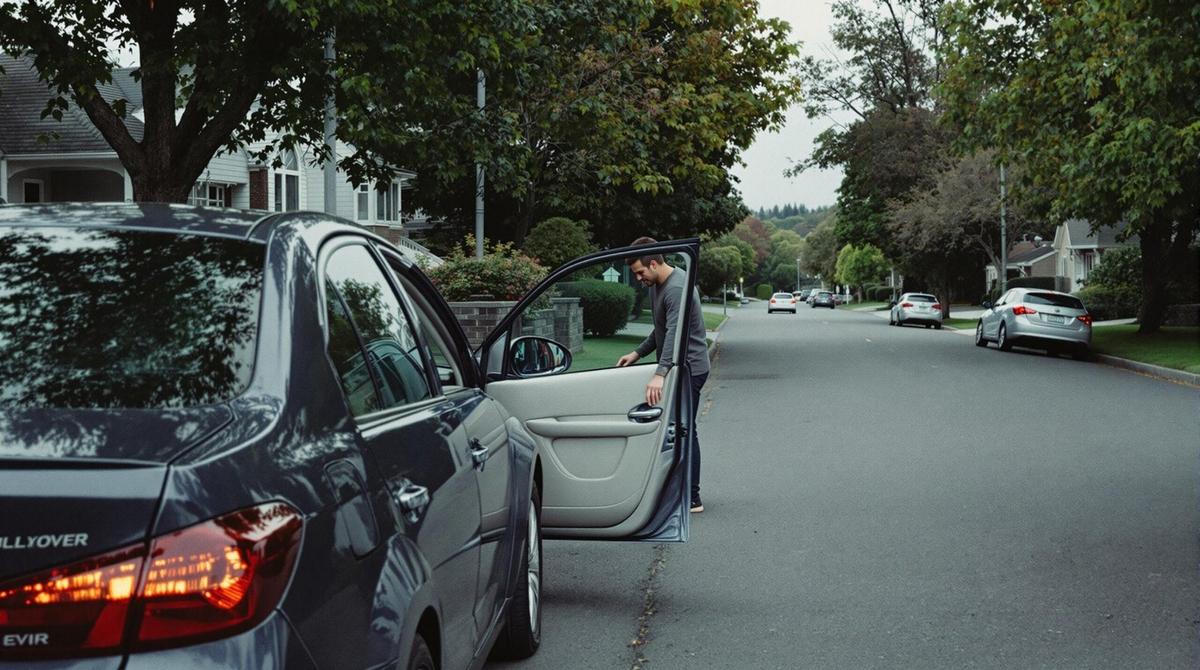
- Theft from vehicles: Leaving bags in a rental car or private vehicle is an invitation — smashed windows and stolen belongings are a common report. Even car parks at scenic lookouts and tourist spots are not safe from this.
- Burglary: Even in homestays and flats (shared houses) with several residents, break-ins do happen — often because someone simply forgot to lock up.
🚨 Watch Out! Top 3 Crimes Targeting Visitors in New Zealand — and How to Beat Them
👜 Bag Theft 🥇
🚶♂️➡️🎒
In cafés, airports, and food courts, bags are frequently stolen the moment you glance away.
[Prevention]
- Keep your bag close to your body at all times.
- Never hang your bag on the back of a chair.
- Never leave belongings unattended, even briefly.
- Keep valuables on your person.
🚗 Theft from Vehicles 🥈
💥🎒
Thieves target bags and valuables left inside rental and private cars. Tourist-area car parks are hotspots too.
[Prevention]
- Never leave belongings in the car.
- Keep everything out of sight from outside.
- Always lock up, even for a minute.
- Choose your parking spot (well-lit, visible areas).
👥 Pickpocketing 🥉
🤫✋📱
Wallets and phones get lifted in crowded places — tourist spots and public transport.
[Prevention]
- Keep valuables in inner pockets or other secure spots.
- Wear your bag on the front of your body.
- Never put anything in your back trouser pocket.
- Stay aware of what is happening around you.
Staying Safe in New Zealand: Everyday Precautions
Safe travel abroad comes down to preparation before you leave and awareness once you arrive. Here are the specific precautions to put into practice during your New Zealand trip.
Safety Prep to Sort Out Before You Travel
Crime prevention starts at the planning stage. Run through the points below and leave home fully prepared.
- Take out travel insurance: Choose a policy that covers not just illness and injury but also theft and other crime. Check the personal-belongings coverage, the claims hotline, and which documents you will need for a claim before you go — it makes everything easier if the worst happens.
- Know your emergency contacts: List the local police, ambulance, and fire numbers (all "111" in New Zealand), your country's embassy or consulate, and your insurance company's contact details. Keep the list on your phone and on paper.
- Copy your passport and visa: Make several copies of your passport photo page and your visa or travel authority (such as your NZeTA), and store them separately from the originals. Saving digital copies as well gives you extra peace of mind.
- Register your trip with your government: Many governments offer a traveler registration service that sends you up-to-date safety information for your destination and contacts you in an emergency. Sign up for your country's service before short-term stays abroad.
Staying Safe at Tourist Spots
New Zealand's grand landscapes and beautiful towns are its biggest draw — but tourist hotspots call for extra care.
- Beware of crowds: At attractions, markets, and anywhere busy, watch out for pickpockets and bag thieves. Stick to the basics: wear your backpack on your front and keep valuables in inner pockets.
- Don't get lost in the photo op: It is easy to be so absorbed by a spectacular view that you stop paying attention to your bags. Keep your valuables in sight at all times.
- Going out at night: Even in a country as safe as New Zealand, walking alone at night — especially on dark or empty streets — is best avoided. Go out in a group, stick to well-lit, busy routes, and consider a taxi or rideshare for the trip home.
- Approaches from strangers: New Zealanders are famously kind, but do not follow a stranger anywhere or fall for an offer that sounds too good to be true.
Hotel Security Basics
Hotels are relatively safe, but that is no reason to let your guard down.
- Lock your room: Lock the door and windows not only when you go out or go to sleep, but also while you are in the room. Use the door chain or secondary lock if there is one.
- Store valuables properly: Keep your passport, large amounts of cash, and expensive electronics in the in-room safe, or leave them at reception for safekeeping.
- Knocks at the door: Never open the door straight away — always check through the peephole first. If anything seems off, call the front desk.
- During housekeeping: Theft by someone posing as cleaning staff is not unheard of. Stay in the room during cleaning, or lock your valuables in the safe beforehand.
🛡️ New Zealand Trip: Crime-Prevention Checklist
Before You Depart ✅
- Travel insurance arranged? (incl. theft cover)
- Emergency contact list made? (police, embassy, insurer)
- Passport/visa copies prepared? (stored separately)
- Registered with your government's traveler service?
- Cash split up and cards sorted?
While Sightseeing 👀
- Wear your bag on your front in crowds
- Keep valuables in sight at all times
- Avoid walking alone at night and dark streets
- Never leave belongings in the car
- Be wary of too-good-to-be-true offers from strangers
Hotel Security 🏨
- Keep the room locked (even while inside)
- Valuables go in the safe
- Check visitors through the peephole
- Secure valuables during housekeeping
- Know where the emergency exits are
Types of Crime in New Zealand and How to Counter Them
Knowing which crimes you might encounter in New Zealand — and the specific countermeasures for each — is essential knowledge for a safe stay.
Theft: The Most Common Risk
Theft is one of the most frequently occurring crimes in New Zealand, and the reality is that tourists are prime targets. The main methods are bag theft, pickpocketing, break-ins to parked cars, and burglary. Most incidents trace back to a moment of carelessness, so keeping your guard up at all times is what matters most.
Countering Pickpockets and Bag Thieves
Pickpocketing and bag theft happen most often at tourist spots, in crowds, on public transport, and in restaurants.
- Manage your valuables: Never keep your wallet or phone in an easy-to-reach spot like a back trouser pocket. Store them deep inside your bag or in an inner pocket.
- Never take your eyes off your belongings: When you get up from a café table or handle paperwork at the airport, keep your bags on you and in sight — no matter how brief the moment.
- How you carry your bag: Wear backpacks on your front and carry shoulder bags on the side away from the road — small habits that make you a much harder target.
- Stay alert: In crowded places, keep an eye out for anyone getting unnaturally close.
Avoiding Theft from Your Car
Road-tripping by rental car is one of the best ways to see New Zealand — but break-ins to parked vehicles are a persistent problem, and tourists are especially targeted.
- Leave nothing in the car: This is the single most important rule. Bags, jackets, phones, loose change, shopping bags — leave nothing visible from outside. Making the car look completely empty is your best defence.
- Choose where you park: Park in well-lit spots with plenty of foot traffic whenever possible. Even at tourist-site car parks, scan your surroundings before walking away from the car.
- Lock up every time: Even if you are stepping away for a minute, lock the doors and check that every window is fully closed.
- Carry your valuables with you: While the car is parked, keep your travel documents, cash, and cards on your person — always.
- GPS units and sat-navs: Remove portable GPS devices when you leave the car and hide them or take them with you. Even the suction-cup mark left on the windscreen can suggest there are valuables inside and invite a break-in.
Personal Safety and Petty Theft: The One Real Nuisance
New Zealand is generally safe, and by global standards it is a safe country to visit — pretty safe by any measure, and safest of all if you take precautions with your vehicle. Violent crime against visitors is rare. Theft from vehicles is not — it is the single complaint that comes up again and again, and it is almost entirely preventable.
- Don’t leave valuables in a parked car. Not in the boot, not under a seat. Trailhead and scenic-lookout car parks in the South Island are the classic targets for theft of valuable items, and a laptop or camera left for a twenty-minute walk is the standard loss.
- Lock your car and take anything valuable with you, even at a busy holiday park.
- Don’t leave bags or cameras unattended in cafés, ferry terminals or hostel lounges.
- Avoid carrying large amounts of cash. Cards work nearly everywhere, including small rural shops.
- Ordinary nightlife rules apply under the influence of alcohol in the central business district of the city or Queenstown late on a weekend: stay with your group, and avoid accepting drinks from strangers.
Mobile phone coverage is good in towns and patchy in the backcountry — Spark, One NZ (formerly Vodafone) and 2degrees are the three networks, and a local SIM is cheap. Do not assume coverage on a rural road.
Natural Hazards: Earthquake, Tsunami, Cyclone and Volcanic Risk
New Zealand sits on the Pacific Ring of Fire, and the genuine risks are geological and meteorological rather than criminal. Ex-tropical cyclones also reach the north of New Zealand in late summer. None of it should put you off — locals live with it as background noise — but knowing the drill takes two minutes.
- Earthquake: thousands are recorded every year and most pass unnoticed. If you feel one: drop, cover, hold. Stay away from windows, and do not run outside mid-shake.
- Tsunami: the official rule on the coast is simple — long or strong, get gone. If an earthquake lasts more than a minute or is strong enough that you struggle to stand, do not wait for an official warning; walk inland or to high ground immediately.
- Volcanic activity: the central North Island and the the city field are both active. Check GeoNet's alert level before visiting an active area, and respect closures — they are issued on real data.
Safety in the Great Outdoors: Plan My Walk Before You Go
Visiting New Zealand does not require any vaccination, and there is no rabies here — but search-and-rescue callouts overwhelmingly involve visitors who underestimate the risks of the terrain or the weather, not people who did anything reckless. Alpine conditions can arrive in July or January, cell coverage disappears within minutes of a trailhead, and rivers rise fast after rain.
- Use the Plan My Walk app from the New Zealand Mountain Safety Council, to check track conditions, alerts and what to carry before any walk.
- Tell someone your travel plans and when you expect to be back.
- Carry a rain shell, warm layers and more food than you need, even on a short walk in summer.
- Check the Department of Conservation website for track closures and hut bookings.
- Never attempt a river crossing you are unsure about. Turning back is the standard advice for a reason.
Driving in New Zealand: The Most Likely Way to Get Hurt
Statistically this is the real risk to a visitor. New Zealanders drive on the left, the roads are narrower and more winding than the distances suggest, and many rural areas have one-lane bridges, gravel surfaces and no shoulder. Two hundred kilometres can take three hours.
- Jet lag and driving on an unfamiliar side do not mix — do not collect a rental car and drive four hours on your arrival day.
- Pull over to take the photograph. Most single-vehicle crashes involving tourists happen on a straight road with a good view.
- Let faster traffic past; locals are not sightseeing.
- Check road conditions in winter, when passes may need chains.
- You can drive on your home country licence for up to a year if it is in English or you carry an approved translation; otherwise you need a New Zealand driver licence.
- If you are in a campervan, only freedom camp where signs permit it. The rules are enforced with fines.
If Something Goes Wrong: New Zealand Police and Emergencies
No matter how careful you are, trouble can still find you. Knowing in advance what to do if you become a victim of crime makes all the difference.
If You Become a Victim of Crime
If a crime happens to you, the first priority is to stay calm and get yourself somewhere safe.
- Get to safety: If the offender may still be nearby, leave the area immediately and move to somewhere safe — a busy street, a shop, anywhere with people.
- Report to the police: Once you are safe, contact the police without delay.
- Record what happened: Note down what was taken, when and where it happened, and any description of the offender, in as much detail as you can. You will need this for the paperwork that follows.
- Call your card companies: If credit or debit cards were stolen, call the issuers immediately and have the cards blocked.
- Contact your embassy or consulate: If your travel documents was stolen, or you need consular support, contact your country's nearest embassy or consulate.
- Contact your travel insurer: Report the incident to your insurance company and confirm the steps for filing a claim.
🆘 Just in Case: What to Do If You're a Victim of Crime in New Zealand
Get yourself to safety 🏃♀️💨
call the police 📞
(Emergency: 111 / Non-emergency: 105)
Record the details ✍️
(what / when / where)
Call your card companies 💳
(block the cards)
Contact your embassy/consulate 🏛️
(e.g. lost or stolen travel documents)
Contact your insurer 📄
(file a claim)
How to Contact the New Zealand Police
New Zealand uses different phone numbers depending on whether your situation is an emergency.
- Emergency: 111
- Call 111 when a life is in danger, a crime is happening right now, or you are involved in an incident or accident requiring an urgent response.
- The operator will ask whether you need "Police," "Fire," or "Ambulance." If you are not confident in English, ask for an interpreter in your language — the 111 service may be able to connect you to a telephone interpreting service, depending on the situation.
- Non-emergency: 105
- Use 105 to report non-urgent crime that has already happened (such as a past theft or a car break-in) or to seek police advice.
- You can also file a report online at https://www.police.govt.nz/105support.
When you call, calmly give your location, what happened, and your name and contact details.
Emergency Contact Numbers at a Glance
Here is a summary of the emergency contacts you may need during your stay in the country. We recommend noting them down before you travel.
📞 New Zealand Emergency Contacts: Quick Guide
Police, Fire & Ambulance (Emergency)
111
Life-threatening situations, crimes in progress, etc.
Police (Non-emergency)
105
Reporting past crimes, general enquiries. Online reporting also available.
Your Country's Embassy or Consulate in New Zealand
Look up the number before you travel
Lost or stolen travel documentss, assistance after incidents or accidents. Most embassies are in Wellington; several countries also maintain consulates in the city or Christchurch.
*Phone numbers are current as of August 2026. Please confirm the latest details on official websites before you travel.
*Phone numbers are current as of August 2026. Please confirm the latest details on official websites before you travel.
Before You Travel to New Zealand: Vaccinations, Insurance and Travel Advisories
A safe, comfortable trip to New Zealand takes more than crime awareness. Here is the other essential know-how.
Entry Requirements and Preparation
- NZeTA (New Zealand Electronic Travel Authority): Travelers from visa-waiver countries visiting for tourism or short business trips must apply for and obtain an NZeTA before departure. The IVL (International Visitor Conservation and Tourism Levy) is paid at the same time. You can apply via the official app or website.
- Passport validity: Your travel documents must be valid for at least 3 months beyond your planned departure date from the country.
- Customs declarations: New Zealand Customs enforces extremely strict biosecurity rules on bringing in food, plant, and animal products. Declare anything that might be restricted. False declarations carry hefty fines.
Getting Around Safely
- Public transport: In cities like the city and Wellington, buses are the main form of public transport. They are relatively safe, but watch for pickpockets at night and during crowded periods. A transit smart card (such as the city's AT HOP card) makes travel easier.
- Rental cars: A rental car is the most convenient way to explore this vast country. Note that road rules may differ from home — New Zealand drives on the left, and you will need to master roundabouts and Give Way rules. Do not forget the anti-theft habits above. You will need an International Driving Permit, or your home driver's licence with an approved English translation.
- Taxis and rideshares: Hailing taxis on the street is uncommon — use a taxi rank, or book by phone or app. Rideshare services like Uber are also available. Stick to legitimate services, and confirm the driver and vehicle before getting in.
The Right Mindset for Worry-Free Sightseeing
New Zealand's safety record is good, but complacency is the enemy. Keep reminding yourself "I am in a foreign country," and stick to these principles.
- Keep your guard up: Do not operate on autopilot the way you might at home. Manage your valuables carefully and steer clear of risky places and times of day — the basics matter most.
- Don't draw attention: Avoid flashing large amounts of cash or wearing conspicuously expensive jewellery.
- Respect local culture: Show respect for New Zealand's unique cultures and customs, including Māori culture.
- Ask for help when you need it: If you get lost or run into trouble, do not hesitate to ask a passer-by, shop staff, or the police for help. This is a country full of kind people.
How to Keep Safe: The Short Checklist
Finally, here is a round-up of the specific points to keep front of mind while traveling in the country.
Managing Your Valuables
- Split things up: Do not keep cash, cards, and your travel documents all in one place — spread them across several locations.
- Carry minimal cash: Take only what you need for the day and keep the rest in the hotel safe. Card payments are accepted almost everywhere, so there is little need to carry much cash at all.
- Keep it out of sight: Avoid opening your wallet wide or displaying large sums of money in public.
- Use copies: Rather than carrying your actual travel documents, carry a copy and leave the original locked up at your hotel.
Staying Safe While Drinking
Mixing with locals at pubs and bars is one of the joys of travel — but alcohol calls for extra caution.
- Know your limit: Impaired judgement makes you an easy target. Know how much you can handle and do not overdo it.
- Watch your drink: Keep your drink in sight at all times, and think twice before accepting a drink from a stranger.
- Don't head home alone: If you have been out drinking late, travel back with friends or take a taxi rather than walking home alone.
Staying Alert When You're Out and About
- Stay aware of your surroundings: Avoid walking while glued to your phone, and keep tabs on what is happening around you — is anyone acting suspiciously, or following you?
- Dark streets and deserted areas: Avoid going out alone after dark, and stay away from quiet alleys and empty parks at night.
- Asking for directions: Ask someone trustworthy — a police officer or shop staff — rather than a random stranger.
Final Thoughts: New Zealand Travel, Sensibly Done
New Zealand is a captivating country of spectacular nature and warm-hearted people. Its safety record is genuinely good — but the key to a trouble-free trip is refusing to assume "nothing bad will happen here" and instead keeping solid prevention habits and a healthy sense of caution.
Use the information in this article to prepare thoroughly before you go, and stay alert once you arrive. Most bag thefts and car break-ins are preventable with just a little care. Keep the "my safety is my own responsibility" mindset front of mind, and make the most of your wonderful stay in the country!
For further information and the latest on safety conditions, the following resources are worth checking.
- Your country's embassy or consulate in New Zealand (check its official website before you travel)
- New Zealand Police
Disclaimer: This article was created with the assistance of AI-generated information. While we strive to provide the most accurate and up-to-date information possible, details may become outdated or change over time. For information that changes frequently, such as prices and opening hours, always confirm the latest details on official websites. This article is intended as general information only and does not constitute advice for individual circumstances. Its content may be updated in the future based on personal experience and additional information.