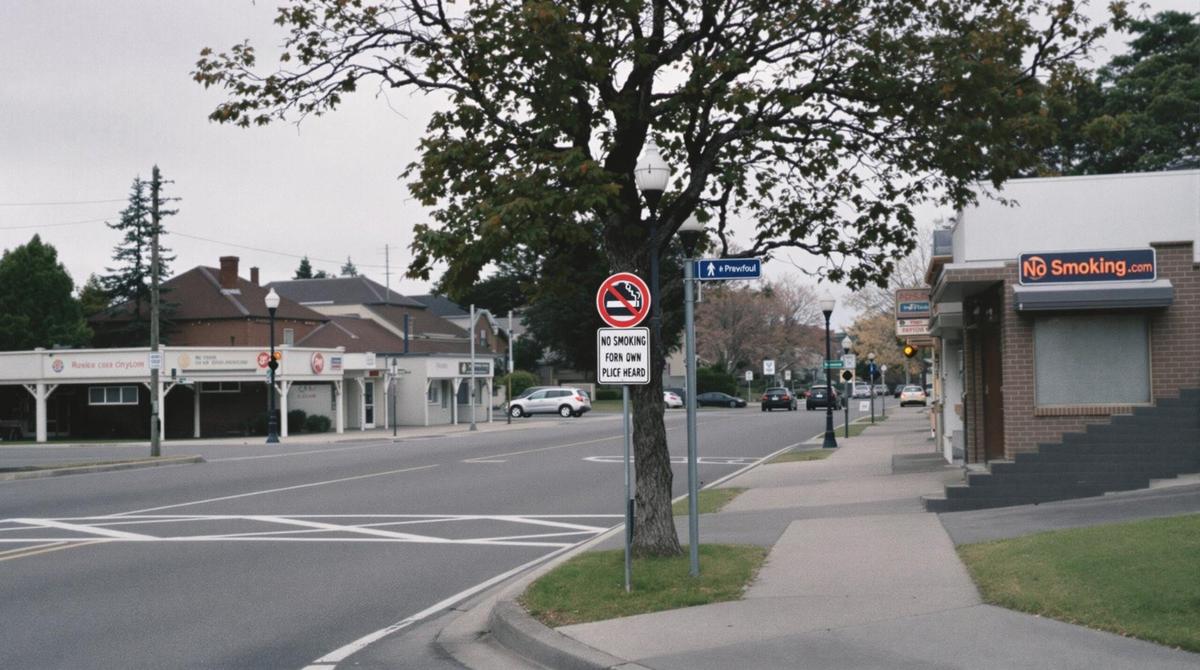
Getting familiar with local customs and rules is the first step toward a comfortable stay in any country. Rules around tobacco and similar products vary enormously from one country to the next, and not knowing them can land you in unexpected trouble.
In this article we take a close look at smoking in New Zealand: the bold anti-smoking legislation that made headlines around the world, the changes that followed, the rules in force today, and how they compare with other countries. Whether you smoke or not, it's well worth understanding the current situation before you arrive.
New Zealand once set out to introduce some of the strictest smoking regulations the world had ever seen. A change of government later reversed course, and the landscape has shifted since. This article covers that whole story, with the latest information current as of 2026. Get to know the local rules so you can start your time in New Zealand with confidence.
What Was the "Generational Smoking Ban" New Zealand Once Planned?
New Zealand is known for pioneering anti-smoking policies ambitious enough to draw attention from the World Health Organization (WHO). The biggest headline-maker was an unprecedented plan for a "generational smoking ban" — legislation that would have prohibited anyone born after a certain date from ever legally buying smoked tobacco products in their lifetime.
Background and Goals of the Legislation
Behind this bold bill lay health problems New Zealand had struggled with for years. Although the national smoking rate had been declining year after year, smoking remained one of the leading causes of preventable death and disease. Smoking rates were particularly high among Māori and Pacific communities, and closing that health gap was seen as a major challenge.
The government had set a goal of being smoke-free by 2025 — "Smokefree 2025" — defined as bringing the number of people smoking daily below 5% of the adult population. The generational smoking ban was expected to be the trump card for reaching that target, protecting future generations from the harms of smoking. By stopping young people from ever taking up smoking in the first place, the policy also aimed to raise the nation's overall health over the long term and reduce the burden on the healthcare system.
It also fit a long national pattern. Aotearoa New Zealand has been building smokefree legislation for more than three decades, starting with the Smokefree Environments Act 1990 — since renamed the Smokefree Environments and Regulated Products Act 1990 as vaping came under the same umbrella. The sale of single cigarettes was banned in 1998, with cigarette packs required to hold at least 20. Then on 10 December 2004, New Zealand became the third country in the world to make all indoor workplaces smokefree, including bars and restaurants — a law that seemed radical at the time and is now unremarkable across much of the world.
The results show up in the numbers. Daily smoking among adults has fallen to roughly 8%, against about 16% in the early 2010s, and the decline in cigarette smoking has been steepest among younger New Zealanders. What kept smoking prevalence stubbornly high in some communities — and what the generational ban was designed to address — was the gap: smoking rates among Māori, and among Pacific peoples, have remained well above the national average throughout.
What the Regulations Would Have Done
The law — the Smokefree Environments and Regulated Products (Smoked Tobacco) Amendment Act 2022 — was championed by Associate Health Minister Ayesha Verrall and passed by Parliament on 13 December 2022, under the Labour government then led by Jacinda Ardern. It rested on three pillars:
- Generational sales ban: A ban on tobacco sales to a moving cohort — anyone born after 2008 would be barred from 2009 onward from ever being able to legally purchase cigarettes or other smoked tobacco products, for their entire lifetime.
- Nicotine reduction: The nicotine content of cigarettes sold in the country would be cut to very low, non-addictive levels.
- Drastic cut in retail outlets: Reducing the number of stores licensed for the sale of tobacco from roughly 6,000 to 600 or fewer, so that cigarette sales were concentrated in a small number of approved shops.
These measures were to be phased in over time. The generational sales ban in particular was a world first, and it attracted enormous international attention.
Global Attention and High Hopes
New Zealand's ambitious approach won praise from public health experts and anti-smoking advocates around the world. It was expected to become a model for achieving a smoke-free society, and many observers suggested it could spark similar policy debates in other countries. At the same time, the tobacco industry and retailers voiced concerns about a growing black market and the economic impact.
The Latest: Why Was the Generational Smoking Ban Repealed?
Despite the global spotlight, New Zealand's generational smoking ban took a dramatic turn. It never came into force. Following the October 2023 general election, a coalition led by the centre-right National Party — with the libertarian ACT Party and New Zealand First — took office under new Prime Minister Christopher Luxon, and repeal of the smokefree generation was written into the coalition agreements. The repeal bill was passed under urgency on 27 February 2024, a procedure that let it clear Parliament without going to a select committee, and so without public submissions.
Associate Health Minister Casey Costello, who led the repeal, said the government remained committed to reducing smoking but would take a different regulatory approach, leaning on vaping as a quitting tool rather than on restricting supply. New Zealand's new direction is harm reduction: keep the health effects of smoking in front of people, keep quit support free, and let vaping take the place of cigarettes. The new government cited the following concerns:
- Economic impact: A significant drop in tax revenue was expected, and the effects of a sudden reduction in retail outlets were also taken into account.
- Black market growth: Concerns that tightly restricting legal sales channels would expand the black market for tobacco, and with it the ram-raids and robberies that had already been targeting dairies.
- Personal freedom: The argument that the law excessively restricted adults' freedom to purchase a legal product.
One line of criticism dominated the coverage. The repeal removed a projected fall in tobacco excise revenue at the same moment the incoming government was costing a package of promised tax cuts, and opposition parties and public health groups argued the two were connected — that revenue from continued tobacco sales would help fund tax cuts, and that a public health policy had been traded for fiscal headroom. Finance Minister Nicola Willis rejected that characterisation, saying the tax package did not depend on tobacco revenue. The accusation stuck anyway, and it is still how the reversal is remembered internationally.
The repeal drew strong criticism from health experts and anti-smoking groups both in New Zealand and abroad. Health Coalition Aotearoa called it a major setback, and tobacco control researchers at the University of Otago — whose modelling underpinned much of the original law — published estimates that the law would prevent thousands of smoking-related deaths over coming decades and narrowed the gap in life expectancy for Māori. Officials at the Ministry of Health had also urged ministers to keep parts of the package. Retail associations, on the other hand, expressed relief — the decision proved deeply divisive.
The whole saga is a striking example of how, on a complex issue like smoking, public health goals, economic considerations, and values like personal freedom can all be reshaped by the political climate.
NZ Smokefree Law: Timeline from Plan to Repeal
Generational Smoking Ban Passed by Parliament
A landmark bill becomes law, including a lifetime sales ban for anyone born on or after 1 January 2009.
General Election and Change of Government
The Labour government is replaced by a National-led coalition with ACT and NZ First. Repeal is written into the coalition agreements.
Core of the Generational Ban Repealed
Passed under urgency, with no select committee stage. Gone: the generational sales ban, nicotine reduction, and retailer cuts.
Existing Regulations Remain in Force
The generational ban is gone, but the purchase age limit (18+), indoor smoking bans, and high pricing all remain in place.
The Smoking Law in New Zealand Today: Cigarettes and Vaping
The generational smoking ban never came to pass, but New Zealand's smoking regulations remain among the strictest anywhere. Make sure you know the main rules so nothing catches you off guard during your stay.
You Must Be 18 or Older to Buy
The law in New Zealand sets the smoking age at 18: it is illegal to sell tobacco or vaping products to persons under the age of 18, and if you want to purchase cigarettes you should expect to prove it. Age checks at the counter are routine, so you may be asked to show photo ID such as a passport. If you look young, carrying ID at all times will save you hassle. Retailers face heavy fines for selling to underage customers, so they enforce age verification rigorously.
Where Smoking Is Banned — and the Fines
Indoor smoking is banned in virtually all public settings in New Zealand. The law to ban smoking indoors is the Smoke-free Environments Act 1990 and its subsequent amendments, and it is enforced without the exemptions common elsewhere.
- Indoor public spaces: Restaurants, cafes, bars, shopping malls, offices, factories — all workplaces and public buildings are completely smoke-free.
- Public transport: Buses, trains, ferries, taxis, and aircraft are all smoke-free.
- School and childcare grounds: Not just the buildings — the entire grounds, including playing fields, are smoke-free.
- Outdoor areas: Depending on the local council, smoke-free zones may also apply outdoors — parks, beaches, sports grounds, event venues, and around bus stops. Check the signage carefully. As a matter of courtesy, avoid smoking anywhere children gather.
If you break the rules, you can be issued an on-the-spot infringement fee. The amount varies by offence and location, but it can run to several hundred NZ dollars (for example, smoking in a smoke-free indoor area). Always smoke only in designated areas.
How Much Cigarettes Cost
Cigarettes sold in New Zealand are famously among the most expensive in the world, thanks to very high tobacco taxes. The government deliberately keeps prices high to discourage people from starting and to encourage quitting.
A standard pack of 20 typically costs anywhere from NZ$40 to NZ$55 or more, depending on the brand (as of August 2026).
That works out at roughly US$24 to US$33 a pack at current exchange rates — among the highest cigarette prices anywhere in the world.
Prices continue to climb year after year. Scheduled excise increases push the price up year after year, so if you smoke, tobacco could take a serious bite out of your travel budget. Plan accordingly. Bringing in tobacco beyond your duty-free allowance also attracts steep customs duties.
How Vaping Is Regulated
Vaping products and e-cigarettes are also regulated in New Zealand.
- Purchase age: 18 or older, the same as for traditional cigarettes.
- Where they're sold: To limit access by young people, flavoured products cannot be sold at ordinary convenience stores or supermarkets — only at Specialist Vape Retailers. Only tobacco, mint, and menthol flavours may be sold by general retailers.
- Where you can vape: By law, vaping is banned in the same indoor public spaces where smoking is banned — workplaces, restaurants, bars, and so on. Outdoor rules vary by location, but be considerate of the people around you.
- Tightening regulations: Rising youth vaping rates have become a public concern, and the rules keep getting stricter — disposable vapes are banned (in force since 17 June 2025, along with a ban on product displays in general retail stores), flavour naming is more tightly regulated, and new vape shops cannot open near schools.
The key takeaway: just because it's a vape doesn't mean you can use it anywhere.
If you do want to stop while you're here, quit support is free and open to visitors as well as residents. Health NZ funds Quitline (0800 778 778) and a network of local stop-smoking services, and nicotine patches, gum and lozenges are subsidised. That, rather than the sales ban, is now the country's main route to a smoke-free future.
Where Can You Smoke? NZ Smoking and Vaping Location Guide
✅ Places Where Smoking May Be Allowed (Check First)
- Private residences (inside the house or in the garden) — you may need permission from housemates or the landlord
- Designated outdoor smoking areas (some outdoor seating at bars and restaurants, marked spots in public spaces)
- Inside your own car — but not if a child under 18 is on board (banned by law)
❌ Places Where Smoking Is Banned by Law
- All indoor public spaces (workplaces, malls, etc.)
- Inside restaurants, cafes, and bars
- Public transport (buses, trains, ferries, etc.)
- School and childcare grounds (indoors and outdoors)
- Hospital and healthcare facility grounds
- Many parks, beaches, and sports grounds (check council signage)
* Vaping is banned in the same places. Even outdoors, check the signs and be considerate of those around you.
How New Zealand's Smoking Rules Compare with Other Countries
Even after the repeal of the generational smoking ban, New Zealand's smoking regulations remain strict by international standards. Here's how they compare with other countries, and where they sit within global trends.
What Visitors Notice Most
If you're arriving from a country with more relaxed rules, these are the differences that tend to catch people out:
- Price: The biggest difference is cost. As noted above, a pack in New Zealand costs several times what it does in most of Europe, North America and Asia — New Zealand has among the highest tobacco prices in the world, and for a long stay it is a significant financial burden.
- How strictly indoor bans are enforced: Many countries that ban indoor smoking still carve out exceptions — designated smoking rooms, separately ventilated areas, or small bars. New Zealand does not. Bars, restaurants, offices, clubs: every indoor workplace is smoke-free, with virtually no exceptions, and has been since 2004.
- Outdoor smoke-free zones: This is the one that surprises people. Many councils designate public outdoor spaces — parks, playgrounds, beaches, sports grounds, town centre streets — as smoke-free. These are usually council policy rather than criminal law, so you are more likely to be asked to stop than fined, but the social expectation is real.
- The generational ban experiment: No other country had gone this far. New Zealand — even though it later repealed the law — actually passed world-first legislation aimed at ending cigarette smoking for future generations. The United Kingdom has since pursued its own version of a rising smoking age, drawing directly on the New Zealand model. It says a great deal about how seriously the issue is taken here.
- Vaping regulations: Some countries restrict or ban nicotine e-liquids outright. New Zealand takes the opposite approach and treats vaping as a quitting tool: nicotine vapes are legal and sold openly by licensed specialist retailers, while the rules on flavours, packaging and disposables keep tightening. Don't assume that because vaping is legal it is permitted anywhere — indoors, the vaping laws mirror the smoking laws exactly.
Global Trends in Tobacco Control
Despite the partial retreat, New Zealand's approach fits squarely within the broader global movement on tobacco control. Under the WHO Framework Convention on Tobacco Control (FCTC), many countries are pursuing policies such as:
- Raising tobacco taxes: Higher prices are expected to deter young people from starting and to encourage smokers to quit. New Zealand is a world leader on this front.
- Banning advertising and promotion: A growing number of countries have completely banned tobacco advertising and sponsorship.
- Packaging regulations: "Plain packaging" (standardised packaging) strips out brand imagery and enlarges health warnings. New Zealand has adopted this too.
- Expanding smoke-free areas: Around the world, smoke-free zones are spreading from indoor public spaces to outdoor ones.
New Zealand has followed these international currents — and, with the generational ban, once aimed to go a step further than anyone else. As tobacco control evolves globally, New Zealand will remain a country worth watching.
What to Watch Out for During Your Stay — and the Smoke-Free Future
With New Zealand's strict smoking regulations and high prices in mind, here are the key things to keep in mind during your stay:
- Follow the rules — no exceptions: When in Rome, do as the Romans do. Local laws apply to tourists and international students just as much as to residents, and breaking them means fines. "I didn't know" rarely works as an excuse, so do your homework before you arrive.
- Never litter cigarette butts: Tossing butts on the ground is taken seriously, both as littering and as an environmental offence, and can attract hefty fines. Always use a portable ashtray or a designated bin.
- Check your accommodation's rules: Hotels, motels, hostels, and Airbnbs each set their own smoking policies (fully smoke-free, balcony only, designated areas, and so on). Confirm the rules when you book or check in — violations can mean fines or extra cleaning charges.
- Be considerate of others: Even in outdoor areas where smoking is allowed, it's good manners to make sure your smoke doesn't bother people nearby — especially families with children. Mind the wind direction, too.
- Be ready for ID checks: Even if you're over 18, you may be asked for ID when buying. Keep it handy so the process goes smoothly.
📝 NZ Smoking Rules Checklist for Your Stay
-
Old Enough? (18+)
You must be 18 or older to buy tobacco or vaping products. Carry photo ID (such as a passport) for age checks.
-
Know the No-Smoking Zones
Indoor public spaces, public transport, and school grounds are completely smoke-free. Check signs at parks and beaches. The same applies to vaping.
-
Brace for the Prices
Tobacco products in NZ are extremely expensive — several times the price in many countries. Factor it into your budget.
-
Never Litter Butts
Discarding cigarette butts can bring hefty fines. Always use a portable ashtray or a designated bin.
-
Check Your Accommodation's Policy
Always confirm the smoking rules at your hotel or hostel. Violations can mean fines or extra charges.
Summary
New Zealand's smoking landscape has seen dramatic movement — a world-famous generational smoking ban was planned, passed, and then repealed. But quite apart from that drama, the country's baseline smoking regulations remain strict, and it's important to understand them.
- You must be 18 or older to buy, and age checks are standard.
- Indoor public spaces are completely smoke-free, and many outdoor areas are too.
- Tobacco prices are among the highest in the world.
- Vaping products are subject to the same restrictions.
- Breaking the rules means fines.
If you smoke, take these points seriously and build them into your budget and daily plans. Even if you don't, knowing the local rules will make your stay that much smoother.
New Zealand is a country of stunning natural beauty and friendly people. Follow the rules, mind your manners, and enjoy a wonderful stay.
Where to find more information:
- The New Zealand Ministry of Health (Manatū Hauora) website provides the latest information on smoking regulations and quitting support (in English).
- Ministry of Health – Smokefree Aotearoa 2025 (DoFollow)
- Your local council's website will list any smoke-free rules for specific outdoor areas such as parks and beaches.
Disclaimer: This article was created with the help of AI-generated information. While we strive to provide the most up-to-date and accurate information possible, details may become outdated or change. For information that changes frequently — such as prices, laws, and regulations — always check official sources for the latest details. This article is intended as general information only and does not constitute advice for individual circumstances. Its content may be updated in the future based on personal experience and additional information.