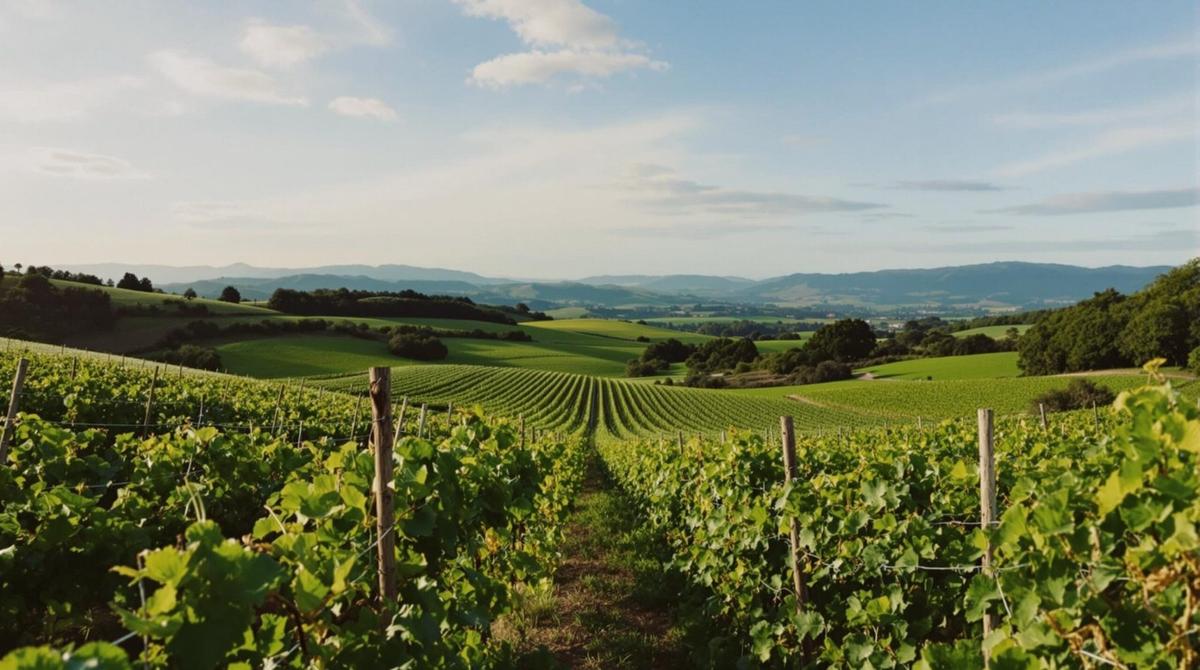
One of the best ways to connect with New Zealand's culture is through its food and drink. New Zealand wine in particular has earned high praise around the world in recent years, winning people over with its outstanding quality and remarkable diversity.
This article is your first step into the world of it. We'll walk you through everything in plain language: the fundamentals that make these wines special, the signature grape varietals, the wine regions worth knowing, and even how to choose and enjoy a bottle when buying online. By the end, you'll be itching to track down a favorite bottle of your own. Let's dive into the fascinating world of it!
What Makes New Zealand Wine So Appealing? A Look at Its Character and History
Behind it's rise to international acclaim are a unique climate and terroir, along with winemakers who are passionate about quality. To get the big picture, let's start with the basic characteristics and the story of how the industry developed.
A Blessed Natural Environment That Creates Distinctive Flavors
New Zealand is a long, narrow island nation stretching north to south, with climates that vary considerably from region to region. Overall, the country is shaped by a maritime climate, and most of its wine regions are classified as cool-climate areas. This cool climate, combined with long sunshine hours and a wide temperature swing between day and night, gives the grapes rich aromatics and fresh, vibrant acidity. It's an ideal environment for white wine grapes in particular — which is why Sauvignon Blanc, practically synonymous with NZ wine, expresses itself here so brilliantly.
The soils are equally diverse, ranging from free-draining gravel to clay and volcanic soils. The character of each site comes through in the grapes, adding complexity and depth to the wines.
A Young Wine Industry That Grew at Remarkable Speed
Compared with the wine countries of Europe, New Zealand's wine history is relatively short — serious development only took off from the 1970s onward. Yet in that brief span, quality improved dramatically and the country established a solid international reputation. The major turning point came in the 1980s, when Marlborough Sauvignon Blanc achieved worldwide success.
In recent years, the focus on quality has only intensified, along with a strong push toward sustainable viticulture. Many wineries have adopted environmentally conscious farming practices, and the certification program known as "Sustainable Winegrowing New Zealand™" (SWNZ) is recognized as one of the most progressive initiatives of its kind in the world. This commitment to both quality and the environment is a big part of what makes it so compelling.
The Signature Grape Varietals of New Zealand Wine: A Complete Guide
The quickest way to understand the diversity of NZ wine is to get to know its main grape varietals and their characteristics. Here are the essential ones to remember.
Sauvignon Blanc: The Refreshing Aromatics That Captivated the World
Character: This is the flagship varietal of NZ wine, with Marlborough's version being especially famous. Expect vivid tropical and citrus aromas of passionfruit, grapefruit, and gooseberry, layered with a fresh, herbaceous edge. With its crisp, high acidity, it delivers a fresh and zesty drinking experience.
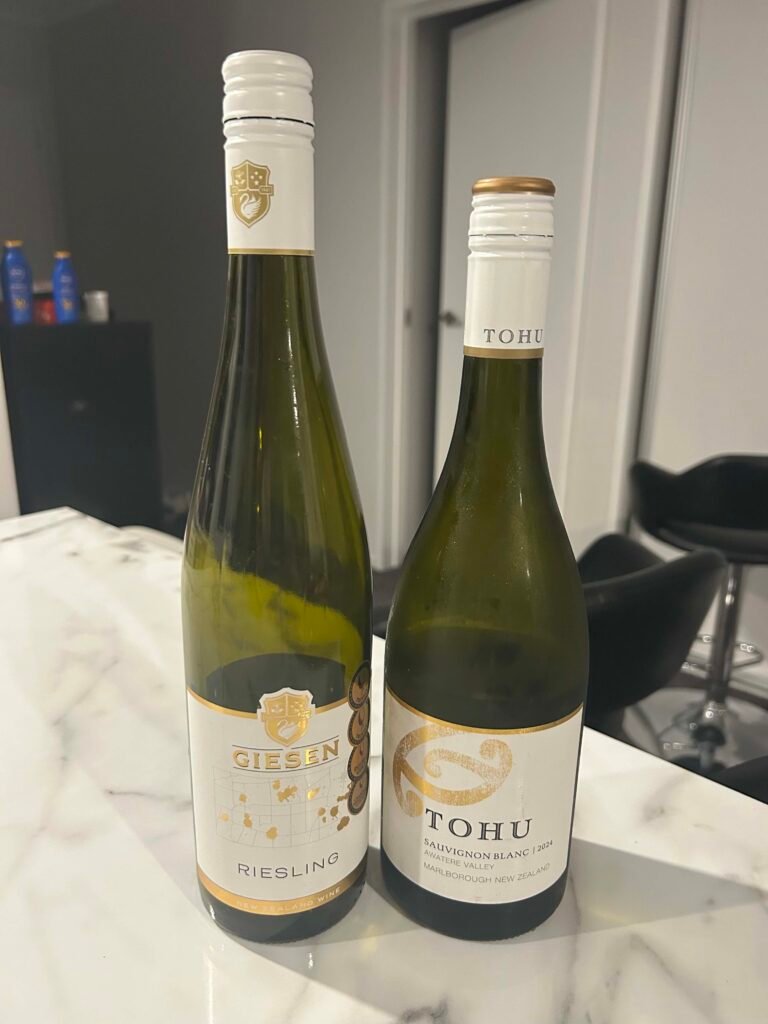
A wine I was poured at a friend's home in New Zealand — crisp and refreshing with a touch of sweetness. Absolutely delicious!
- Main regions: Marlborough dominates in planted area by a wide margin, but it's also produced in Hawke's Bay, Nelson, and other regions.
- Food pairings: A superb match for seafood (especially oysters and white fish carpaccio), green salads, herb-forward dishes, and goat cheese.
Pinot Noir: Elegant and Endlessly Expressive
Character: The country's leading red varietal and a symbol of just how good New Zealand wine can be. Because it thrives in cool climates, it's widely planted in the South Island's wine regions. Aromas of red fruits like cherry, raspberry, and plum mingle with spice and earth, and with age, complex notes reminiscent of forest floor emerge. It's defined by elegant acidity and fine, silky tannins, with styles varying widely by region and producer.
- Main regions: Central Otago, Marlborough, Wairarapa (the Martinborough district is famous), and Nelson are the standouts.
- Food pairings: Pairs beautifully with duck, chicken and other poultry, lamb, mushroom dishes, and salmon.
Chardonnay: A Chameleon That Changes with the Region
Character: A white varietal beloved worldwide, and one that New Zealand produces to a very high standard. In cooler regions it tends toward an elegant style with apple and citrus fruit and taut acidity; in warmer regions it leans richer, with ripe peach and pineapple fruit plus nutty, buttery notes from barrel aging.
- Main regions: Grown across a broad range of areas, including Hawke's Bay, Gisborne, Marlborough, Nelson, and Auckland (especially Waiheke Island).
- Food pairings: Depends on the style — lighter versions suit seafood in cream sauce or chicken dishes, while richer versions shine alongside roast pork and creamy cheeses.
Other Varietals Worth Watching
The appeal of New Zealand wine goes well beyond these big three. Plenty of other varietals produce outstanding wines here too.
- Pinot Gris: An aromatic white in a style close to that of Alsace, France — off-dry to just-dry, with signature notes of pear and spice.
- Riesling: Originally from Germany and Alsace, this varietal also excels in New Zealand's cool climate. Styles range from bone-dry to sweet, marked by high acidity and floral, citrusy aromatics.
- Syrah: Elegant, spicy reds reminiscent of the Northern Rhône style have found particular success in Hawke's Bay. Look for signature aromas of black pepper and blackberry.
- Bordeaux Blend: Red blends built from Bordeaux varietals — Cabernet Sauvignon, Merlot, Cabernet Franc, and others — are also made to a high standard in Hawke's Bay and around Auckland. Expect solid structure and ripe fruit.
Comparison of the Key Varietals
| Varietal | Style | Typical Aromas | Palate Character | Main Regions | Food Pairings |
| Sauvignon Blanc | White, dry | Passionfruit, grapefruit, herbs | High acidity, fresh, zesty | Marlborough | Seafood, salads, herb-forward dishes |
| Pinot Noir | Red | Red fruits, spice, earth, forest floor | Elegant acidity, silky tannins | Central Otago, Marlborough, Wairarapa | Duck, chicken, lamb, mushroom dishes, salmon |
| Chardonnay | White, dry | Apple, citrus, tropical fruit, nuts, butter | Varies by style (sharp to rich) | Hawke's Bay, Gisborne, Marlborough | Seafood in cream sauce, chicken, roast pork |
| Pinot Gris | White | Pear, apple, spice, white flowers | Rounded, slightly oily texture | Marlborough, Nelson, Central Otago | Asian cuisine, spicy dishes, pork |
| Riesling | White | Flowers, lime, citrus, mineral notes | High acidity, from dry to sweet | Marlborough, Nelson, Waipara | Spicy dishes, pork, chicken, seafood |
| Syrah | Red | Blackberry, black pepper, violets | Spicy, firm structure | Hawke's Bay | Grilled red meats, game, spiced dishes |
(Note: These are general characteristics; individual wines vary by producer and vintage.)
The Main Regions of New Zealand Wine
Terroir — climate, soil and topography — plays a huge role in every wine region in New Zealand and in shaping the personality of New Zealand wine. This guide to New Zealand wine looks at the main regions across the north and south, and what defines each of them. The diverse regions scattered across the north and south islands share one thing: a maritime climate, wrapped by the South Pacific Ocean, that keeps the growing season long and cool.
Marlborough: New Zealand’s Largest Wine Region
Located in the northeastern corner of the South Island, the Marlborough wine region is the largest wine region in the country — and it's no exaggeration to say its name has become synonymous with world-class Sauvignon Blanc. Long sunshine hours paired with cool nights give the grapes their vivid aromatics and lively acidity, and New Zealand Sauvignon Blanc built the country’s reputation on that contrast. Sauvignon Blanc still dominates New Zealand’s wine exports.
- Key varietals: a single vineyard here is most likely planted to Sauvignon Blanc, which leads by far, but excellent Pinot Noir, Chardonnay, Pinot Gris, and Riesling are also produced here.
- Wine character: The Sauvignon Blanc bursts with passionfruit, tropical fruit, and herbal aromas, backed by exhilarating acidity. The Pinot Noir tends toward an elegant, fruit-driven style.
- Notable producers: The Marlborough region is home to many New Zealand wineries with international reputations, including Cloudy Bay, Villa Maria, and Oyster Bay.
Central Otago Wine Region: The World’s Southernmost Pinot Noir
Tucked inland among the mountains of the southern South Island, Central Otago is the southernmost wine region on Earth. Its continental climate brings hot, dry summers, cold winters, and dramatic temperature swings within a single day. This demanding environment produces New Zealand Pinot Noir of remarkable concentration — for many wine drinkers, the best Pinot Noir made anywhere in the southern hemisphere.
- Key varietals: Pinot Noir dominates, followed by Pinot Gris, Riesling, and Chardonnay.
- Wine character: The Pinot Noir combines generous fruit (dark cherry, plum) with solid structure and complex aromatics, and has real potential for long-term cellaring. The aromatic whites are highly rated too.
- Notable producers: From boutique wine producers to larger names, the region boasts serious talent, including Felton Road, Rippon, and Mt Difficulty.
Hawke’s Bay: The Second Largest Wine Region
On the east coast of the North Island, Hawke's Bay is New Zealand's second-largest wine region and one of its most historic. Blessed with a warm climate and long sunshine hours, this region of New Zealand is especially well suited to red varietals, and the wine produced here is what changed international opinion about New Zealand reds.
- Key varietals: Red varietals such as Merlot, Syrah, and Cabernet Sauvignon take center stage, along with Chardonnay.
- Wine character: The Bordeaux-style blends and spicy, elegant Syrah have earned strong international acclaim. The Chardonnay often shows a rich, complex style. Sauvignon Blanc is grown here too, but unlike Marlborough's, it tends toward riper fruit flavors.
- Notable producers: The region hosts both historic estates and innovative newcomers, including Te Mata Estate, Mission Estate Winery (NZ's oldest winery), and Trinity Hill.
Wairarapa and Martinborough: A Small Region with a Big Reputation
At the southern tip of the North Island, within easy reach of Wellington, Wairarapa is a small region by planted area and a large one by reputation. Its sub-region Martinborough is world-famous for high-quality Pinot Noir — dense, savoury and structured — and the compact scale means most of the cellar doors sit within cycling distance of the village square.
- Key varietals: Pinot Noir above all, with Sauvignon Blanc, Chardonnay, Pinot Gris and Syrah.
- Why it matters: alongside Central Otago, this is where you find New Zealand's best Pinot Noir, from producers working at a deliberately small scale.
Gisborne: Chardonnay on the East Coast of the North Island
On the coast of the North Island just north of Hawke's Bay, Gisborne is so devoted to Chardonnay that it is routinely called the Chardonnay capital of the country. The style is generous and fruit-forward rather than austere, and the vineyards here also grow a good deal of Gewürztraminer. It is one of the first places in the world to see the sun each day, which local wine makers have never been shy about mentioning. New Zealand is best known abroad for Marlborough, but Gisborne is where a lot of the country’s Chardonnay is actually made.
Nelson, North Canterbury and the Canterbury Wine Region
Three cooler South Island areas that reward anyone willing to look past the big names:
- Nelson: at the very top of the South Island, just west of Marlborough, with plenty of sunshine and a little more rain. Aromatic whites — Riesling and Pinot Gris — alongside Sauvignon Blanc, Chardonnay and Pinot Noir.
- North Canterbury: the Waipara Valley is the heart of the Canterbury wine region, sheltered by the Teviotdale hills. Riesling and Pinot Noir are the signatures, and the Riesling in particular is among the finest wine made anywhere in the country.
- Waitaki Valley: a tiny, limestone-rich area straddling the Otago–Canterbury boundary. The Waitaki Valley wine region is young and marginal, and its Pinot Noir and aromatic whites have a distinct mineral edge.
Auckland, Waiheke Island and the Northland Region
In the northern North Island, the Auckland wine region is often described as the birthplace of the New Zealand wine industry — Croatian settlers planted here long before Marlborough existed as a wine name. The planted area is small today, but Waiheke Island, nicknamed the Island of Wine, is renowned for premium Bordeaux blends and Syrah, and Kumeu is a serious Chardonnay address. Further north again, the Northland region is the warmest wine growing area in the country, with a handful of small producers.
| Region | Location | Climate | Key Varietals | Wine Style |
|---|---|---|---|---|
| Marlborough | Northeastern South Island | Sunny, dry, big day-night temperature swings | Sauvignon Blanc, Pinot Noir, Chardonnay | Zesty SB, elegant PN |
| Central Otago | Southern South Island (inland) | Continental climate, extreme temperature swings | Pinot Noir, Pinot Gris, Riesling | Concentrated PN, aromatic whites |
| Hawke’s Bay | East coast, North Island | Warm, sunny, diverse soils | Merlot, Syrah, Chardonnay, Cabernet S | Powerful reds (Bordeaux-style, Syrah), rich Chardonnay |
| Wairarapa | Southern tip, North Island | Cool, dry, windy (Martinborough) | Pinot Noir, Sauvignon Blanc | High-quality PN (Martinborough) |
| Nelson | Northern tip, South Island | Sunny, slightly higher rainfall | Aromatic varietals (PG, Riesling), SB, PN | Aromatic whites, elegant PN |
How to Choose and Enjoy New Zealand Wine
Now that you know the varietals and regions behind the wine here, here are some practical tips for actually choosing a bottle and getting the most out of it.
Buying Online: What to Look For and What to Watch Out For
Even if you're not in New Zealand, you can buy its wines through specialist online retailers and major e-commerce sites in many countries. Within New Zealand itself, supermarkets and liquor shops stock a huge variety — but if you plan to bring bottles home, keep an eye on your country's duty-free allowance and how you'll transport them safely.
What to look for in an online wine shop:
- Selection: Check whether the shop carries a good range of the varietals and regions you're after. If you're hunting for a specific winery, make sure they stock it.
- Information: Shops with detailed wine descriptions (taste, aroma, food pairings, producer background) make choosing much easier. Customer reviews are a helpful reference too.
- Price and shipping: The same wine can be priced differently from shop to shop. Compare the total cost including shipping. Mixed cases and sales can also be great value.
- Price guide: Within New Zealand, everyday wines typically start around NZ$10–20, with higher-quality bottles from NZ$30 and up. In Japanese yen, at the rate as of August 2026 (assuming 1 NZD = approx. ¥93), that works out to roughly approx. ¥900–¥1,800 for everyday bottles and approx. ¥2,700+ for premium ones. Retail prices outside New Zealand tend to be higher once import costs are added.
- Trustworthiness: Check that the shop displays clear business information and has an easy way to contact customer service.
Things to watch out for:
- Vintage: A wine's taste varies by harvest year (vintage). If the vintage isn't listed, ask — or choose a style of wine that's less affected by vintage variation.
- Storage conditions: Shipping and storage conditions affect wine quality. Buy from a reputable shop, and once your bottles arrive, store them somewhere cool and dark.
Examples of recommended online retailers:
(We could name specific retailers here, but to stay impartial we'll simply point you toward major specialist wine e-commerce sites and the online stores of established department stores and wine merchants.)
Food Pairing: Recommended Matches
Thinking about how a wine matches with food is one of the great pleasures of wine. Many New Zealand wines are made with the dinner table in mind, which makes them wonderfully versatile with all kinds of dishes.
Sauvignon Blanc
Seafood
- Fresh oysters, scallop carpaccio
- Pan-fried white fish with herbs
- Seafood salad
Vegetables & More
- Asparagus dishes
- Goat cheese (chèvre)
- Anything herb-forward
Pinot Noir
Meat Dishes
- Roast duck with berry sauce
- Chicken braised in red wine
- Grilled lamb
Fish & More
- Pan-seared salmon
- Mushroom risotto or sautéed mushrooms
- Lean tuna with a soy-based sauce
Chardonnay
Lighter Styles
- Seafood pasta in cream sauce
- Sautéed chicken with lemon-butter sauce
- Caesar salad
Rich (Barrel-Aged) Styles
- Roast pork
- Scallops sautéed in butter
- Creamy cheeses (Brie and the like)
Syrah / Bordeaux Blend
Syrah
- Peppered beef steak
- Herb-crusted lamb chops
- Game dishes
Bordeaux Blend
- Beef stew
- Roast beef
- Aged hard cheeses
The basics of pairing:
- Match by color: White wine with seafood and chicken, red wine with red meat — that's the classic rule, but stay flexible depending on the sauce and cooking method.
- Match by weight: Light wines suit lighter dishes; fuller-bodied wines stand up to richer, heartier food.
- Match by flavor: Linking the wine's aromas (herbs, spice, fruit) to flavors in the dish works beautifully. For example, Sauvignon Blanc's herbal notes are a natural fit for herb-driven dishes.
- Match by region: Pairing a region's wine with its local cuisine is a classic move. In New Zealand, lamb with Pinot Noir is the quintessential combination.
Don't overthink it — the best approach is to pair a wine you like with food you like, and discover your own preferences along the way.
Wine Tasting Basics
If you get the chance to taste at a winery or wine event, jump on it. Knowing a few fundamentals will help you understand and enjoy wine on a much deeper level.
- Look: Tilt the glass slightly and observe the wine's color, clarity, and viscosity (the "tears" or "legs" that run down the inside of the glass). The depth and hue of the color offer clues about the grape varietal and how mature the wine is.
- Smell (Nose): First, bring the glass to your nose and sniff gently. Then give the glass a light swirl to aerate the wine and smell again. Try to pick out the different elements — fruit, flowers, spice, oak, and aromas that develop with age.
- Taste (Palate): Take a small sip and let it spread across your whole mouth. Assess the sweetness, acidity, tannin (the grippy quality in red wine), alcohol, fruit intensity, and the finish (the flavor that lingers after you swallow, and how long it lasts).
Weighing all these elements together gives you a much richer understanding of a wine's personality and quality. Try plenty of New Zealand wines and discover which styles suit you best.
Final Thoughts: Bringing New Zealand Wine Closer to Home
In this article, we've covered New Zealand wine from every angle — its defining characteristics, signature varietals, major regions, and how to choose and enjoy it.
- the wine here owes its charm to a cool climate and diverse soils, which produce wines with rich aromatics and fresh acidity.
- Led by Sauvignon Blanc and Pinot Noir, the country also makes high-quality wines from Chardonnay, Pinot Gris, Syrah, and more.
- Regions such as Marlborough, Central Otago, and Hawke's Bay each produce wines with a personality all their own.
- Thanks to online retailers, you can enjoy New Zealand wine easily wherever you live.
- Exploring food pairings and tasting is a rewarding way to dive deeper into this fascinating world.
When you visit New Zealand, make time to tour a local winery or order a local wine at a restaurant — it's bound to be a memorable experience. And even from home, use this guide to track down a favorite bottle and bring a little something special to your everyday meals and celebrations.
Further reading:
- The official information site for New Zealand wine: New Zealand Winegrowers
- Your local wine shop or a trusted online retailer will also be happy to point you toward great New Zealand wines.
Disclaimer: This article was created with the help of AI-generated information. While we strive to provide the most current and accurate information possible, details may become outdated or change over time. For information that changes frequently — such as prices and opening hours — always check official websites for the latest details. This article is intended as general information only and does not constitute advice for individual circumstances. The content may be updated in the future based on personal experience and additional information.