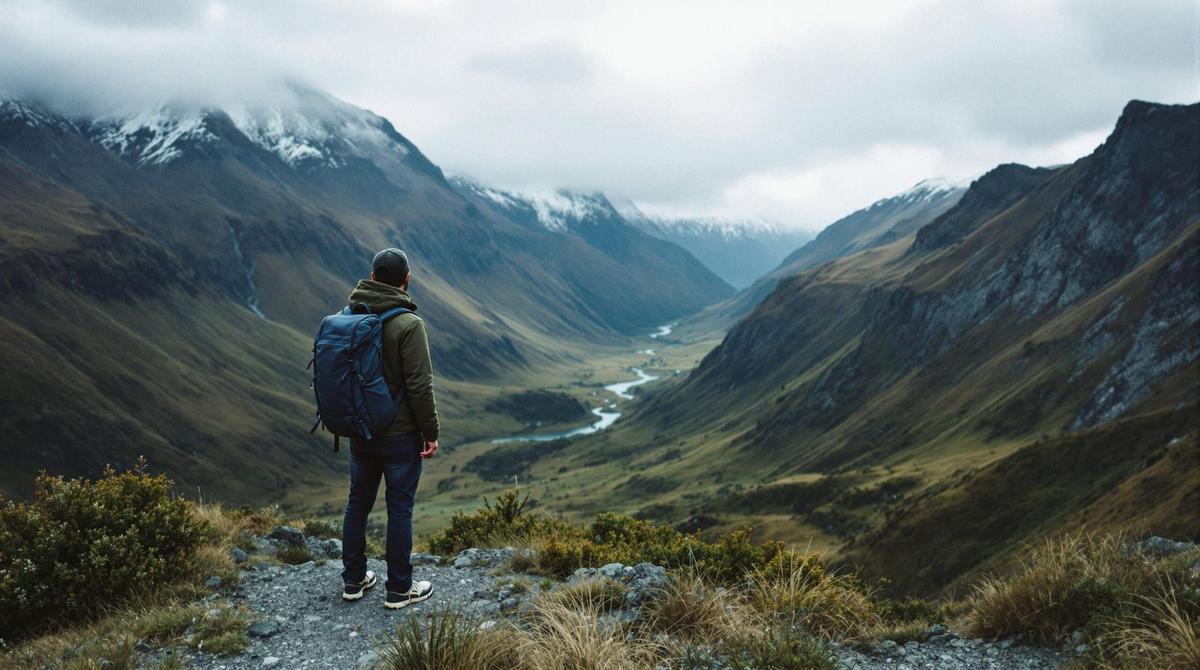
New Zealand, with its breathtaking landscapes and reputation for safety, has long been a beacon for adventurers. For women dreaming of a solo journey, it presents an almost perfect destination. The prospect of exploring dramatic fiords, tranquil beaches, and vibrant cities on your own is thrilling, yet it’s natural to have questions about safety and logistics. This guide is designed to empower you with everything you need to know for a successful and unforgettable experience with solo female travel in New Zealand, from critical safety tips to discovering those magical spots that lie far from the tourist crowds.
New Zealand consistently ranks as one of the most peaceful countries in the world, making it an ideal choice for first-time and experienced solo travelers alike. The friendly nature of the locals (known affectionately as “Kiwis”), combined with a well-developed infrastructure for tourism, creates a welcoming and easy-to-navigate environment. Here, you can challenge yourself with a mountain hike in the morning and relax in a cozy, female-only hostel dorm in the evening, sharing stories with new friends from around the globe.
Why New Zealand Is the Perfect Solo Travel Destination
New Zealand’s appeal for solo women is multi-faceted. It’s a country where adventure and tranquility coexist beautifully.
- Unparalleled Safety: As of early 2025, New Zealand continues to be recognized for its low crime rates and high levels of social stability. This provides a fundamental sense of security, allowing you to explore with confidence.
- A Welcoming Culture: Kiwis are known for their laid-back, friendly, and helpful nature. It’s common for locals to offer assistance or a friendly chat, which can be incredibly reassuring when you’re traveling alone.
- Accessible Adventure: The country’s tourism industry is robust and caters to solo travelers. From well-marked hiking trails and reliable transport to a wide range of accommodation, New Zealand makes it easy to be independent.
- Community of Travelers: You’re never truly alone unless you want to be. The popular backpacking and campervan circuits mean you’ll constantly meet other travelers, many of whom are also exploring solo.
🎯 Safety Tips for Solo Travel in New Zealand
While New Zealand is exceptionally safe, it’s wise to practice the same common-sense safety measures you would anywhere in the world. Being prepared allows you to relax and fully immerse yourself in the experience.
General Safety & Awareness
✅ Trust Your Instincts: If a situation or person feels off, remove yourself from it. Your intuition is your most powerful safety tool. ✅ Share Your Itinerary: Leave a copy of your travel plans with someone at home and check in regularly. Consider sharing your live location with a trusted friend or family member. ✅ Stay Connected: Purchase a local SIM card from providers like Spark, One NZ, or 2degrees upon arrival. Having reliable data for maps and communication is crucial. The emergency number in New Zealand is 111. ✅ Night-time Caution: In larger cities like Auckland and Christchurch, be mindful of your surroundings at night. Stick to well-lit areas and consider using a taxi or rideshare service instead of walking alone late at night.
Hiking and Outdoor Safety
New Zealand’s outdoors are a huge draw, but the weather can be unpredictable and conditions challenging.
✅ Check Official Sources: Always consult the Department of Conservation (DOC) website for the latest information on track conditions, weather forecasts, and any alerts for the hikes you plan to do. ✅ Inform Someone of Your Plans: Before setting out on a day hike or multi-day tramp, tell someone your route and expected return time. You can use the New Zealand Mountain Safety Council’s free Plan My Walk app to create and share a detailed plan. ✅ Pack Appropriately: The weather can change in an instant. Always carry layers, a waterproof jacket, extra food and water, a basic first-aid kit, and a fully charged phone and power bank. For remote hikes, renting a Personal Locator Beacon (PLB) is a wise investment.
Transportation Safety
✅ Secure Your Vehicle: If you rent a car or campervan, always lock the doors and keep valuables out of sight. Car break-ins can occur at popular tourist spots and trailheads. ✅ Driving Awareness: Be prepared for narrow, winding roads, especially on the South Island. Take frequent breaks to avoid fatigue, and pull over to let faster traffic pass.
🏠 Best Accommodation Options for Solo Women
New Zealand offers a wide array of accommodation to suit every budget and travel style, with many great options for solo women.
| Accommodation Type | Best For | Pros | Cons | Estimated Cost (USD/NZD) |
| Hostels (YHA, Base, etc.) | Budget travelers, Socializing | Female-only dorms available, great for meeting others, communal kitchens save money. | Can be noisy, shared facilities. | $20-$35 USD ($33-$58 NZD) / night |
| Boutique Lodges & B&Bs | Comfort, Local Experience | Hosted by locals, unique properties, often includes breakfast. | Less social, can be more expensive. | $100-$250+ USD ($165-$415+ NZD) / night |
| Airbnb (Private Room) | Independence, Privacy | Live like a local, private space, often has kitchen access. | Quality can vary, less social interaction. | $50-$120 USD ($83-$200 NZD) / night |
| Holiday Parks / Campgrounds | Campervan travelers | Excellent facilities (kitchens, laundry, showers), safe and social environment. | Powered sites cost more, can be crowded in peak season. | $15-$40 USD ($25-$66 NZD) / night for a site |
✈️ Traveling Around New Zealand: Your Solo Transport Guide
Navigating New Zealand is part of the adventure. Your choice of transport will depend on your budget, timeframe, and desired level of independence.
Renting a Car or Campervan
This is the most popular option, offering ultimate freedom and flexibility. A campervan combines your transport and accommodation, which can be a cost-effective and incredible way to see the country.
- Freedom Camping: While the idea of parking anywhere for the night is romantic, “freedom camping” is strictly regulated in New Zealand. You must stay in designated areas and have a certified self-contained vehicle. Use apps like CamperMate and Rankers to find approved sites and follow all local rules to avoid heavy fines.
- Solo Driving: Driving alone means you’re solely responsible for navigation and long drives. Plan your routes in advance, download offline maps, and don’t try to cover too much distance in one day.
Buses and Public Transport
For the budget-conscious traveler or those not wishing to drive, New Zealand has a reliable bus network.
- InterCity: This is the primary national bus service, connecting virtually every town and city. Fares are affordable, especially when booked in advance. Their FlexiPass, based on hours of travel, can be a great value.
- Hop-on, Hop-off Buses: Services like Kiwi Experience are geared towards backpackers and offer a more structured way to travel a set route, with the flexibility to get off and spend time in different locations. They are great for socialising but cater to a younger, party-focused crowd.
Ridesharing and Hitchhiking
Hitchhiking is legal and relatively common in New Zealand, especially in rural and tourist areas. However, it carries inherent risks. If you choose to hitchhike, never do so at night, trust your gut feeling about a driver, and let someone know where you are going. Ridesharing platforms can be a safer alternative.
Traveling Around New Zealand Without a Car
Plenty of solo female travelers explore New Zealand without ever getting behind the wheel, and it works better here than in most countries. InterCity covers both islands and will get you between every town you have heard of. The scenic trains — the TranzAlpine across the Southern Alps from Christchurch to Greymouth, the Coastal Pacific to Picton, the Northern Explorer between Auckland and Wellington — are destinations in themselves and let you watch the country go past instead of the road. Between them, buses and trains cover a full loop around the North and South Island, so you can travel around the whole country solo without a licence.
The trade-offs are real: you will be on someone else's timetable, some of the best walks and beaches are genuinely hard to reach without a car, and a day trip out of a small town may not be possible at all. The usual compromise is to bus the long legs and rent a car for two or three days in the regions where it matters most — Central Otago, the Catlins, the Coromandel.
Should You Join a Group Tour?
If this is your first solo trip, a small-group tour for part of the route is worth considering rather than dismissing. It removes the driving, the logistics and the eating-alone-every-night problem in one move, and several operators run New Zealand tours for solo travelers specifically, with no single supplement. Many women do a week with one of the best New Zealand tours for their first leg, then continue independently once they have found their feet and, usually, three people to travel on with.
🗓️ The Best Time to Visit New Zealand Alone
Timing changes the solo travel experience here more than it changes a couples' holiday, because daylight and company both vary enormously by season.
- December to February (summer): The best weather, daylight until nearly 10pm, and hostels full of people to travel with. Also the most expensive and the most booked-out — reserve accommodation well ahead.
- March to May (autumn): The sweet spot for many solo travelers. Settled weather, autumn colour in Central Otago, lower prices, and enough people around that you are not the only guest.
- June to August (winter): Cheapest, and spectacular if you ski. But it is dark by 5pm, which shortens your safe hiking and driving window considerably, and some coastal and rural towns close down almost entirely.
- September to November (spring): Unsettled, but the country is green, the lambs are out and the crowds have not arrived. Bring layers for all four seasons in one day.
A Simple First Itinerary
If you have three weeks and want a New Zealand itinerary that is easy to do alone, this is the route most first-timers end up on, and there is a reason for that:
- Auckland (2–3 days): Land, adjust, and take the ferry for a day trip to Waiheke Island — the easiest trip from Auckland there is — wineries, beaches, and an easy first outing alone.
- Rotorua and Taupō (3 days): Geothermal parks, Māori cultural evenings, and the Tongariro Alpine Crossing if the weather cooperates.
- Travel to Wellington (2 days): The capital of New Zealand, and the most walkable city in the country — Te Papa, the cable car, and the best coffee you will drink here.
- Ferry to Picton, then Kaikōura and Christchurch (3 days): The crossing through the Marlborough Sounds is one of the great cheap boat rides in the world.
- Down the South Island (7–9 days): Christchurch to Lake Tekapo, Aoraki/Mount Cook, Wānaka, Queenstown, and a fjord — Milford or Doubtful Sound — before flying home from Queenstown.
Two weeks is enough for the South Island alone. One week is enough for either island, not both. Whatever you plan, leave time to explore somewhere you had not heard of before you arrived — travelling alone in New Zealand, that is usually the part you remember.
🌟 Beyond the Postcards: Off-the-Beaten-Path Destinations
While Queenstown and Milford Sound are stunning, the real magic of New Zealand is often found where the crowds aren’t. Exploring these lesser-known regions offers a more authentic and peaceful solo experience.
North Island Hidden Gems
- The Coromandel Peninsula: Beyond the famous Cathedral Cove (currently accessible only by boat), explore the peninsula’s northern tip around Fletcher Bay and Stony Bay. The coastal walk between them is breathtaking.
- East Cape: This is the most remote corner of the North Island. The drive along State Highway 35 is one of the world’s great road trips, offering rugged coastlines, empty beaches, and a deep connection to Māori culture. Stay in a small town like Tatapouri for a truly local feel.
- Taranaki: Dominated by the magnificent volcanic cone of Mount Taranaki, this region is an outdoor paradise without the Queenstown crowds. Hike the Pouakai Crossing for a less-crowded alternative to the Tongariro Crossing, with the iconic tarn reflection shot as your reward.
South Island Secret Spots
- The Catlins: Located at the southern tip of the South Island, the Catlins is a wild, sparsely populated region known for its rugged coastline, petrified forest, and abundant wildlife, including Hector’s dolphins, sea lions, and yellow-eyed penguins.
- Golden Bay: Tucked away at the top of the South Island, over the winding Takaka Hill, Golden Bay feels like a world apart. Visit Wharariki Beach at low tide to see the Archway Islands and playful seal pups.
- Doubtful Sound (Pātea): While Milford Sound gets the fame, Doubtful Sound offers a deeper, more profound sense of wilderness and isolation. Three times longer and ten times larger, an overnight cruise here is an unforgettable experience in silence and serenity.
📊 Sample 2-Week Off-the-Beaten-Path Itinerary
This itinerary focuses on a mix of hidden gems and must-do experiences, assuming a rental car or campervan for maximum flexibility.
Week 1: North Island Exploration
- Days 1-2 (Auckland/Coromandel): Arrive in Auckland, pick up your vehicle, and drive to the Coromandel. Explore the less-visited eastern beaches.
- Days 3-4 (Tauranga/Mount Maunganui): Hike up Mount Maunganui for sunrise and relax in the beach town atmosphere.
- Days 5-7 (East Cape to Gisborne): Embark on the slow, scenic drive around the East Cape. Visit the lighthouse at the easternmost point of NZ and immerse yourself in the coastal scenery.
Week 2: South Island Adventures
- Day 8 (Fly to Christchurch, Drive to Golden Bay): Take a morning flight from Gisborne/Napier to Nelson via Wellington. Pick up a new vehicle and make the scenic drive over Takaka Hill to Golden Bay.
- Days 9-10 (Golden Bay): Explore Abel Tasman National Park from the less-crowded northern end. Visit Wharariki Beach and Farewell Spit.
- Days 11-12 (West Coast): Drive down the stunning West Coast. Stop at Punakaiki Pancake Rocks and explore the glaciers (Franz Josef/Fox).
- Days 13-14 (Wanaka/Queenstown): End your trip in the beautiful lakeside town of Wanaka, a more relaxed alternative to Queenstown, before flying out.
💰 Budgeting for Your Solo Trip to New Zealand
Your budget will vary greatly depending on your travel style. Cooking your own meals and choosing free activities are the best ways to save money.
| Style | Accommodation (per night) | Food (per day) | Transport/Activities (per day) | Estimated Daily Total (USD) | Estimated Daily Total (NZD) |
| Budget | $25 | $20 | $30 | $75 | $125 |
| Mid-Range | $100 | $50 | $70 | $220 | $365 |
| Luxury | $250+ | $100+ | $150+ | $500+ | $825+ |
| Note: These are estimates. Transport costs can be high initially (campervan rental) but lower per day. |
✅ Pre-Travel Checklist for New Zealand
📝 Visa: Check if you need a visa or an NZeTA (New Zealand Electronic Travel Authority) before you travel. Requirements vary by nationality, so consult the official New Zealand Immigration website. 📝 Travel Insurance: This is non-negotiable. Ensure it covers medical emergencies, trip cancellations, and adventure activities you plan to do. 📝 Flights & Accommodation: Book international flights well in advance for better prices. For peak season (Dec-Feb), book accommodation and rental vehicles early. 📝 Packing: Pack for all seasons. Essentials include a rain jacket, hiking boots, warm layers (merino wool is great), sunscreen (NZ’s UV rays are harsh), insect repellent, and a reusable water bottle.
Connecting with Others: Making Friends on the Road
Traveling solo doesn’t mean being lonely. New Zealand is one of the easiest places to connect with fellow travelers.
- Stay in Hostels: The common areas and organised activities are designed for social interaction.
- Join Group Day Tours: Booking a guided hike, a wine tour, or a boat trip is a fantastic way to spend a day with like-minded people.
- Use Your Hobbies: Join a local yoga class, visit a climbing gym, or find a book club via a community Facebook page.
- Just Be Open: Smile and say hello! A simple greeting on a hiking trail or in a cafe can lead to a great conversation or even a new travel buddy.
Conclusion: Your Adventure in New Zealand Awaits
Solo female travel in New Zealand is an incredibly rewarding and empowering experience. It’s a country that invites you to be adventurous, to be still, and to reconnect with yourself, all within a safe and welcoming environment. By being prepared, trusting your instincts, and daring to venture off the beaten path, you will not only see the stunning beauty of Aotearoa but also discover a new level of confidence and independence within yourself. Your adventure is waiting.
Disclaimer:
This article has been generated using AI and aims to provide the most current and accurate information possible. However, information may become outdated or change over time. For variable information such as fees and operating hours, please always verify the latest information through official websites. This article is intended for general information purposes and is not individualized advice. Content may be updated in the future based on personal experiences and additional information.