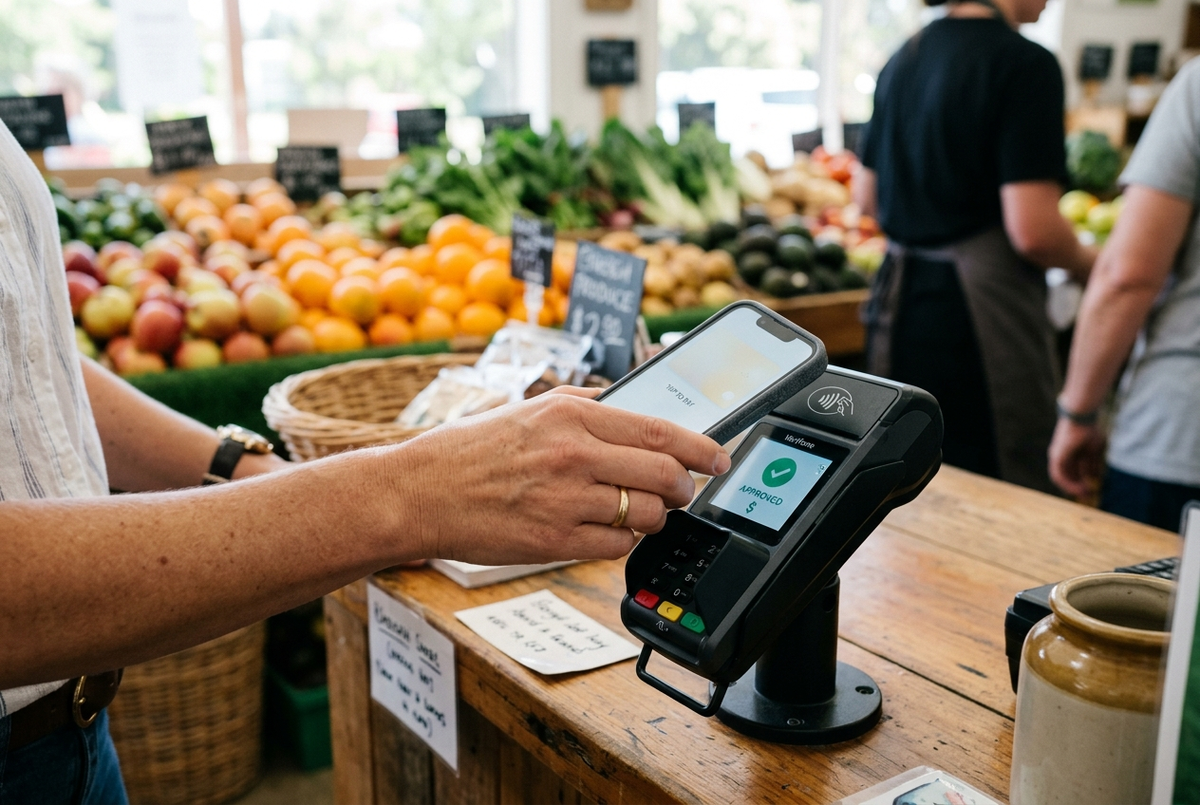
New Zealand is one of the most cashless-friendly countries in the world. From convenience stores and cafes to food stalls and small independent shops, paying by card is simply the norm. You can get by day to day with barely any cash at all — which means a much lighter wallet. This guide breaks down how cashless payments work in NZ.
How Cashless Is New Zealand?
New Zealand consistently ranks near the top of global cashless indexes. As of 2024, an estimated 85–90% of retail payments in NZ are made by card or electronic payment — cash is very much the minority.
Even small cafes and food trucks increasingly display "Card only" signs, and it's not unusual to come across businesses that don't accept cash at all.
What Is EFTPOS?
The backbone of New Zealand's cashless society is a homegrown payment system called EFTPOS (Electronic Funds Transfer at Point Of Sale).
EFTPOS is a debit-style payment network widely used in New Zealand and Australia, drawing funds directly from your bank account. It works much like a debit card elsewhere, but in NZ it's exceptionally widespread — dedicated terminals sit on the counter of virtually every shop in the country.
When you open a New Zealand bank account, you'll automatically be issued an EFTPOS card (essentially a debit card).
Which Cards Can You Use?
The main payment cards accepted in New Zealand:
- Visa debit card: Issued when you open an NZ bank account. The most common option
- Mastercard debit card: Just as widely accepted as Visa
- Visa credit card: Credit cards issued overseas work fine too
- Mastercard: Same as above
- American Express: Accepted at fewer places
- Eftpos (NZ-only): The debit card tied to an NZ bank account. May not work for online purchases from overseas merchants
As a visitor, a Visa or Mastercard credit card from home will get you through almost everywhere without any trouble.
Contactless (Tap) Payments Are Everywhere
Contactless Visa payments are extremely common in New Zealand. Just tap your card on the terminal and you're done — purchases under NZ$200 typically don't require a PIN (the exact limit depends on your bank's settings).
Apple Pay and Google Pay are also accepted at most major retailers. The convenience of paying with a tap of your phone has made mobile payments especially popular with younger Kiwis.
What About Tipping?
Tipping is not part of New Zealand culture, so you generally don't need to tip. There's no obligation to tip at restaurants or in taxis.
That said, people do occasionally tip voluntarily for exceptional service. Some card terminals now prompt "Would you like to add a tip?" — it's perfectly fine to skip it.
When You Still Need Cash
Even in cashless-forward New Zealand, there are situations where cash is necessary or handy:
- Markets and flea markets: Some stallholders are cash-only
- Tips and donations: Such as dropping coins for street performers
- Small independent shops: A few still don't take cards (though they're becoming rare)
- Rural and remote areas: Patchy internet can occasionally knock card readers offline
In central Wellington, carrying around NZ$50–100 in cash as a backup is more than enough.
Recommended Cards for Travelers
For a trip to New Zealand, look for cards with low foreign transaction fees:
- Wise (formerly TransferWise) debit card: Currency conversion at close to the real exchange rate with very low fees. The top pick for travelers
- Revolut: Fee-free foreign spending up to a monthly limit
- Mastercard credit cards: Choose one with a foreign transaction fee of around 1.5–2%
Opening a New Zealand Bank Account
If you're staying long-term or on a working holiday, opening an NZ bank account is well worth it. The major banks are:
- ANZ (the largest)
- ASB Bank
- BNZ (Bank of New Zealand)
- Westpac
- Kiwibank (state-owned)
To open an account you'll need your passport, visa, and proof of address.
Knowing how payments work in New Zealand before you arrive makes shopping during your trip or stay far smoother. For travelers especially, having a Wise card ready saves you the hassle of exchanging cash altogether.